 中文
中文
Service Center
WhatsApp/Wechat
+86 18576510428
Working Time
Monday to Friday
E-mail
info@fswesternland.cn
E-mail
mia@fswesternland.cn
E-mail
kikko@fswesternland.cn

Abby

Mia

Kikko

How to Choose the Right Diamond Saw Blade for Different Stones?
2026-03-04 10:28:55
Click:
“
Choosing the right diamond saw blade makes or breaks stone cutting results—avoid worn blades, chipped edges and wasted time by matching blade specs to quartz, quartzite, marble, granite, tile and concrete’s unique hardness and structure. Master precision, efficiency and longer blade life with tailored cutting solutions for every stone type.
”
How to Choose the Right Diamond Saw Blade for Different Stones
Match diamond blades to stone hardness, type and application for optimal cutting performance
1. Why Choosing the Right Diamond Saw Blade Matters
Selecting the correct diamond saw blade is the difference between efficient, clean cuts and costly mistakes—including damaged blades, chipped stone, and wasted time. Each stone type has unique hardness, density, and composition that require a specialized diamond blade design.
Using the wrong blade leads to:
- 50% shorter blade lifespan
- Chipped, uneven cuts that require extra finishing work
- Increased labor costs due to slower cutting speed
- Risk of equipment damage and safety hazards
Core Rule: Blade diamond concentration, segment hardness, and tooth design must match the stone’s Mohs hardness rating and composition.
2. Diamond Saw Blade Selection by Stone Type
Each natural and engineered stone has distinct physical properties that demand a tailored diamond saw blade. Below is a detailed breakdown of the most commonly cut stones and their ideal blade specifications:
1. Quartz (Engineered Stone)
Engineered quartz (also known as engineered stone) is a man-made material composed of 90% natural quartz particles bound with resin. It has a Mohs hardness rating of 6-7, making it significantly harder than marble and comparable to granite. Its high density and uniform composition mean it requires a blade that balances cutting speed with wear resistance.
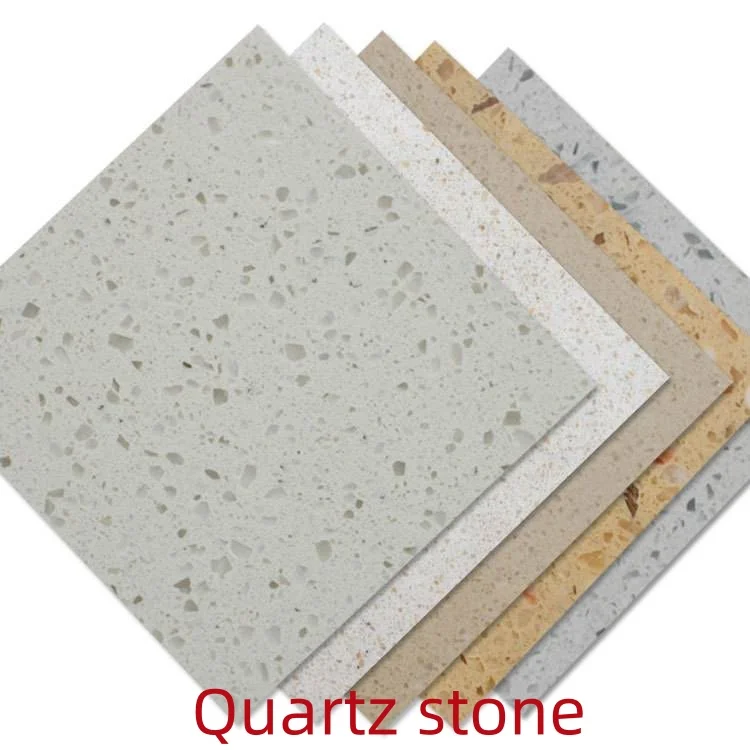
Figure 1: Engineered Quartz Slab – This high-density material features uniformly distributed quartz particles (90%) in a resin matrix. The dense structure requires a medium-hard diamond blade to avoid rapid wear while maintaining clean cuts.
Optimal Blade Specifications for Quartz
- Medium-hard diamond segments (10-12% concentration) – hard enough to cut through quartz particles, soft enough to avoid glazing
- Continuous rim or turbo segments – eliminates chipping on the polished surface of engineered quartz
- Low RPM (2800-3200) – prevents overheating which can melt the resin binder in quartz and damage the blade
Common Mistake: Using high-hardness granite blades on quartz causes rapid blade wear and uneven cuts, as the hard segments cannot self-sharpen on the resin-bound quartz.
2. Quartzite (Natural Stone)
Natural quartzite is a metamorphic rock formed from sandstone under extreme heat and pressure, with a Mohs hardness of 7 – making it the hardest natural stone used in construction. It has high abrasion resistance and a non-uniform natural structure, requiring a blade with aggressive cutting power and debris removal capabilities.
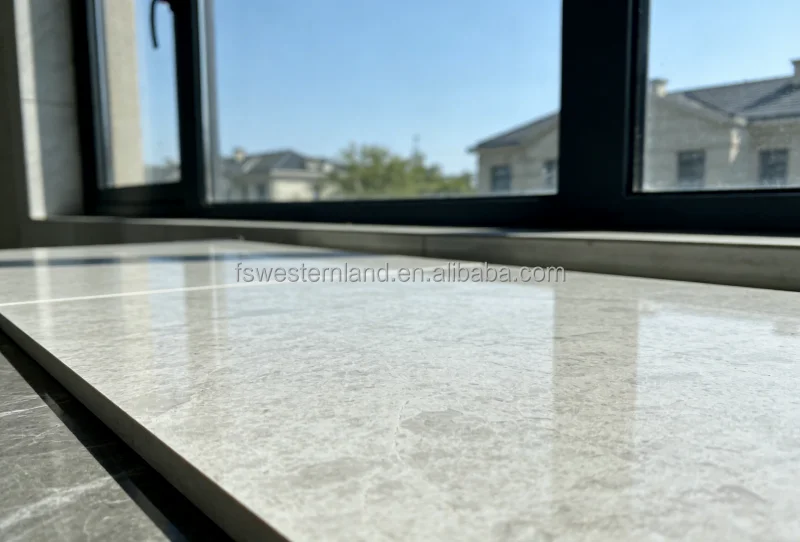
Figure 2: Natural Quartzite Countertop – This premium stone features a natural, non-uniform structure with high quartz content (95%+). Its extreme hardness (7 Mohs) demands a high-hardness diamond blade with wide gullets for debris removal.
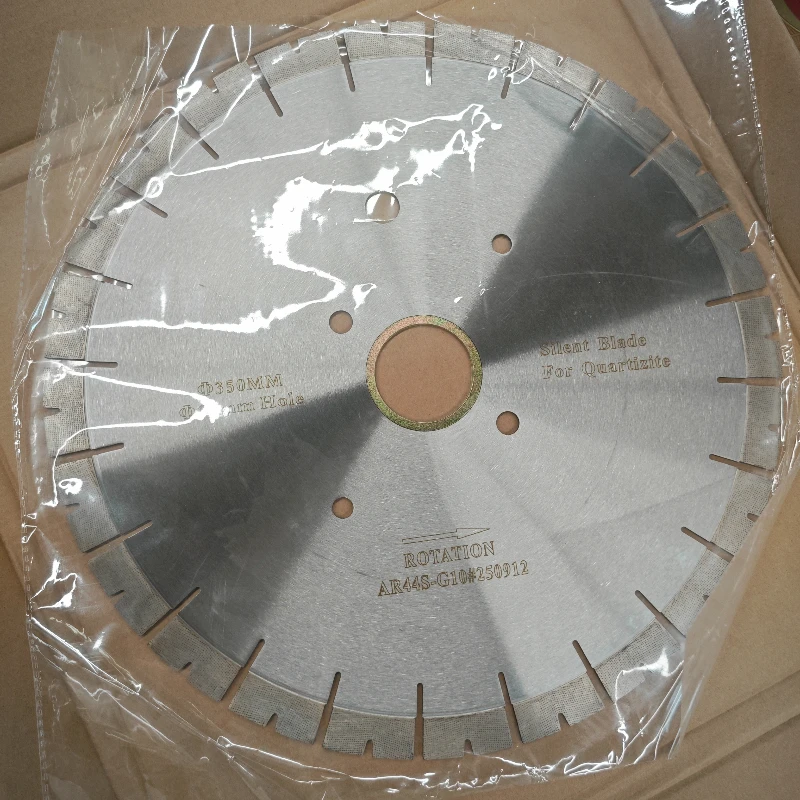
Figure 3: Specialized Quartzite Saw Blade – Designed with high-hardness diamond segments (12-14% concentration) and wide gullets. The segmented design allows for efficient debris removal, critical for preventing blade overheating when cutting abrasive quartzite.
Optimal Blade Specifications for Quartzite
- High-hardness diamond segments (12-14% concentration) – withstands abrasion from pure quartz crystals
- Segmented design with wide gullets – removes stone dust and debris to prevent blade clogging
- Water cooling required – mandatory for all quartzite cuts to extend blade life and reduce dust
3. Marble (Calcite Stone)
Marble is a metamorphic rock composed primarily of calcite, with a Mohs hardness of 3-4 – making it one of the softest stones used in construction. It is porous and prone to chipping, requiring a blade that prioritizes smooth, scratch-free cuts over aggressive cutting power.
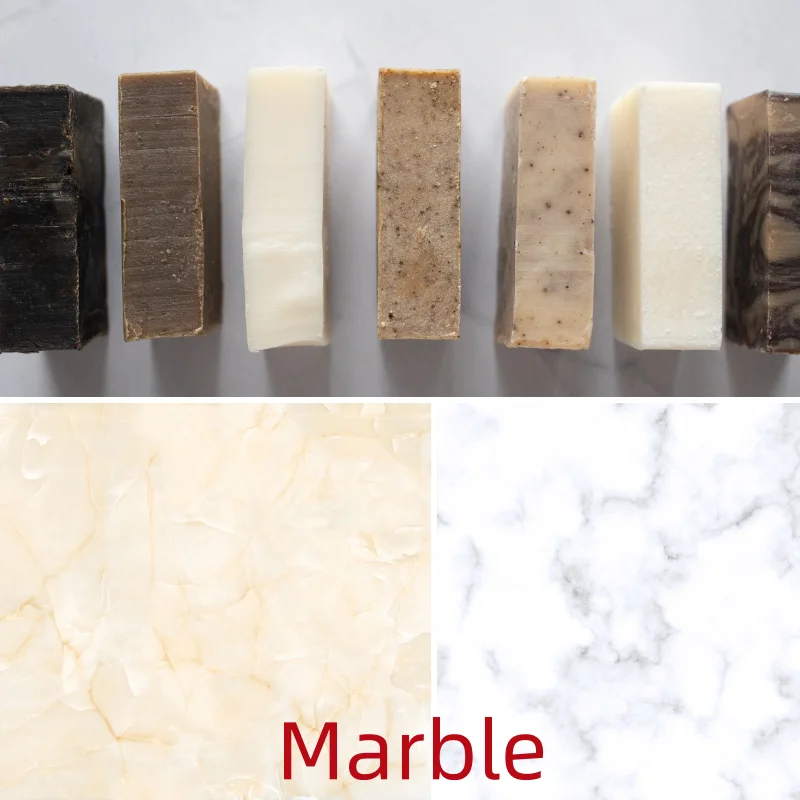
Figure 4: Natural Marble Slab – This soft, porous stone (3-4 Mohs) features a delicate crystalline structure that is prone to chipping and scratching. A continuous rim blade is essential to maintain the stone's polished finish.
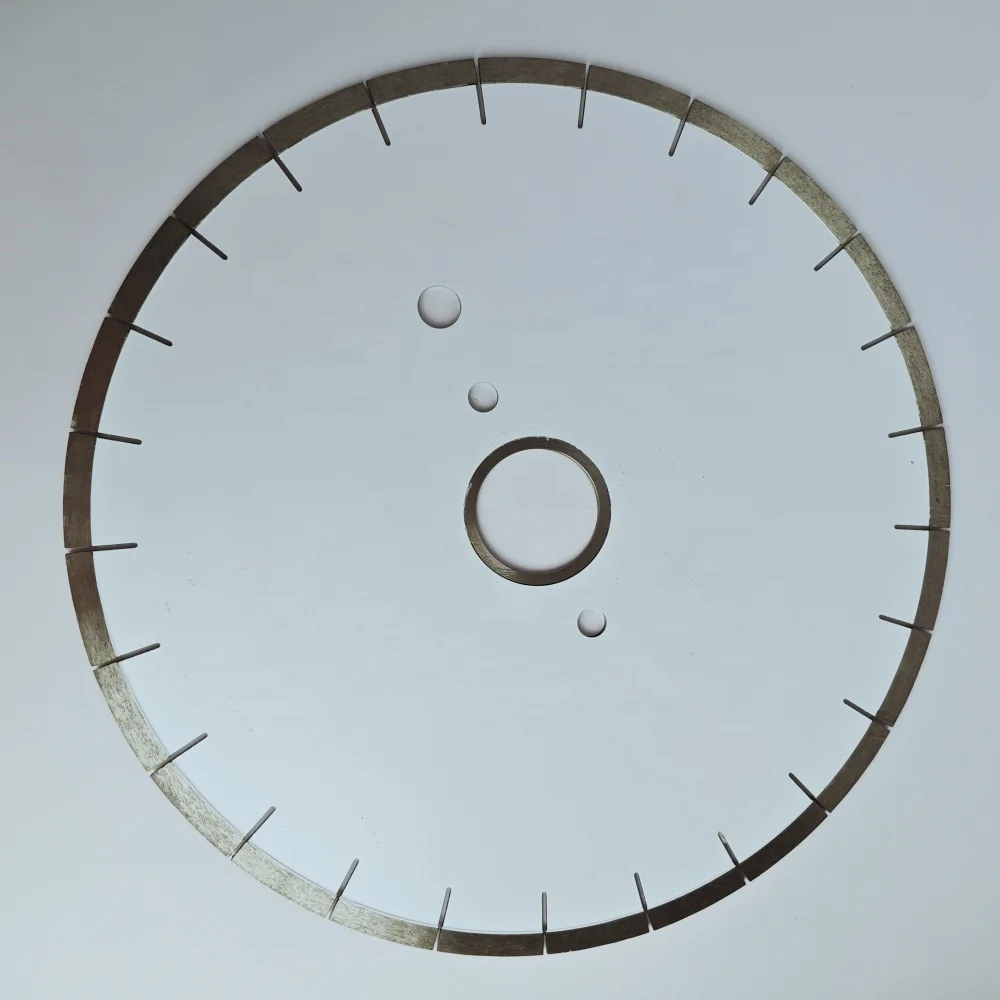
Figure 5: Marble Saw Blade (Continuous Rim) – The solid, unsegmented rim eliminates gaps between cutting teeth, preventing chipping on marble's soft surface. The soft diamond segments (6-8% concentration) cut quickly without scratching the polished finish.
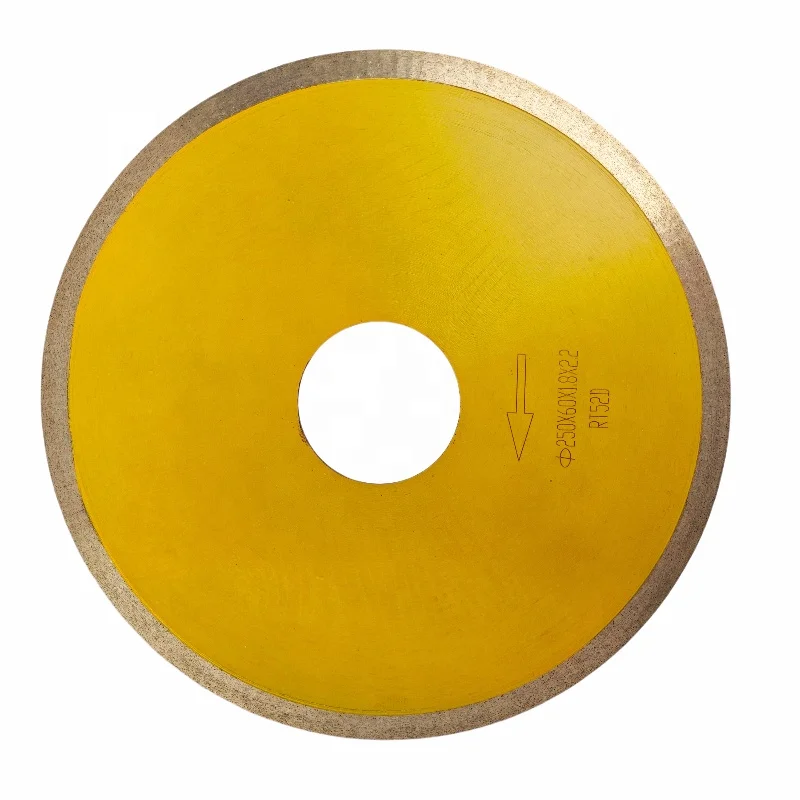
Figure 6: Precision Marble Cutting Blade – This premium continuous rim blade is engineered for high RPM (3500-4000) cutting, ideal for producing smooth, finished edges on marble countertops and tiles with zero chipping.
Optimal Blade Specifications for Marble
- Soft diamond segments (6-8% concentration) – cuts quickly without abrading the marble surface
- Continuous rim design – provides a smooth, uninterrupted cutting edge to prevent chipping
- High RPM (3500-4000) – maximizes cutting speed on soft stone while maintaining precision
4. Granite (Igneous Stone)
Granite is an igneous rock with a crystalline structure and Mohs hardness of 6-7. It contains hard minerals like feldspar and quartz, making it highly abrasive and challenging to cut. Granite requires an extra-hard blade that can maintain its cutting edge through extended use.
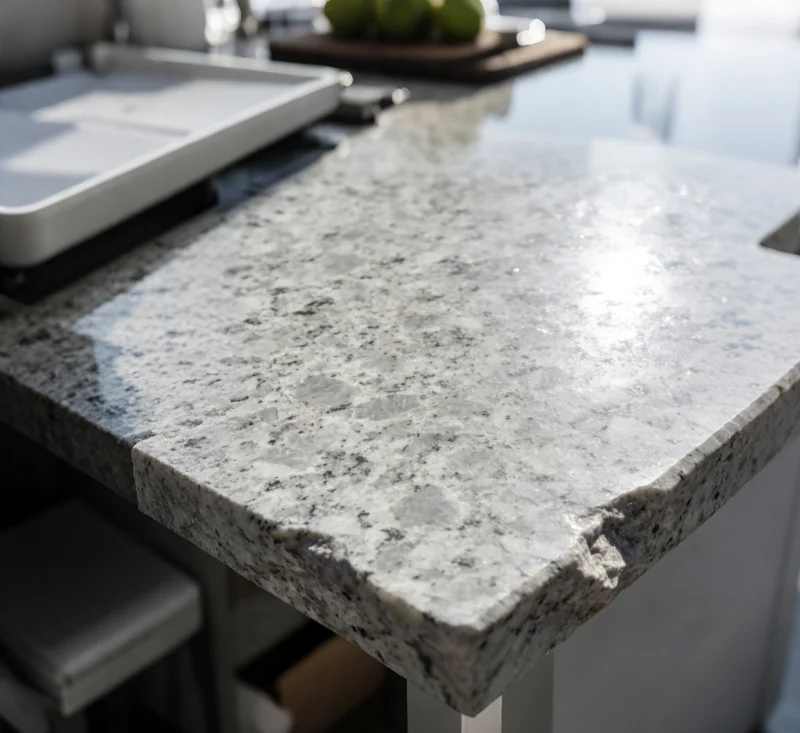
Figure 7: Granite Slab – This crystalline igneous rock features a dense, abrasive structure with hard mineral grains. Its high abrasiveness requires an extra-hard diamond blade to prevent rapid wear during cutting.
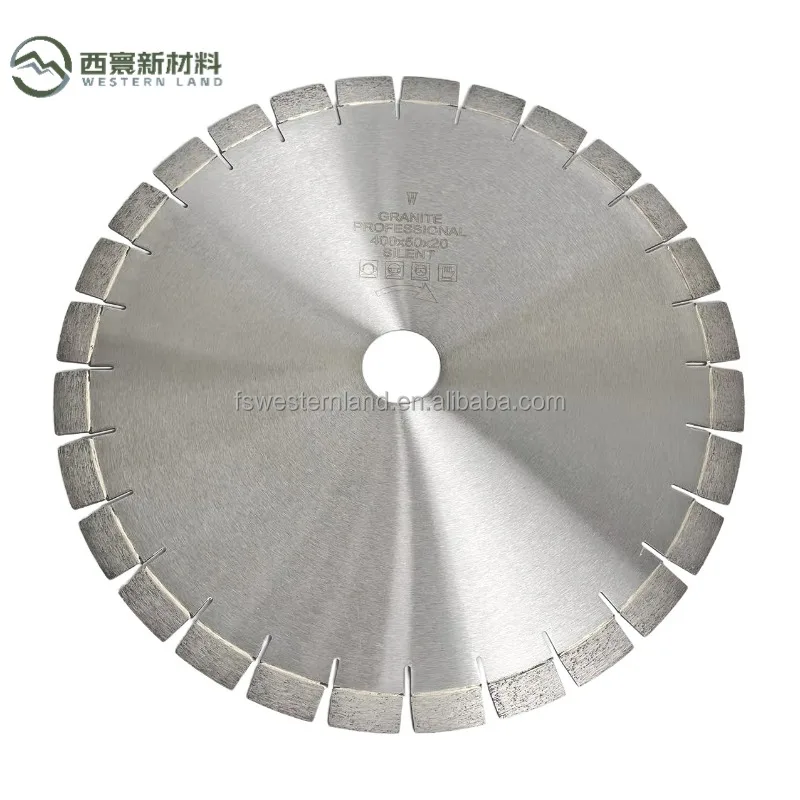
Figure 8: Granite Saw Blade (Extra-Hard Segments) – Engineered with 14-16% diamond concentration and extra-hard segments, this blade is designed to withstand the abrasiveness of granite. The turbo-segmented design balances cutting speed with debris removal.
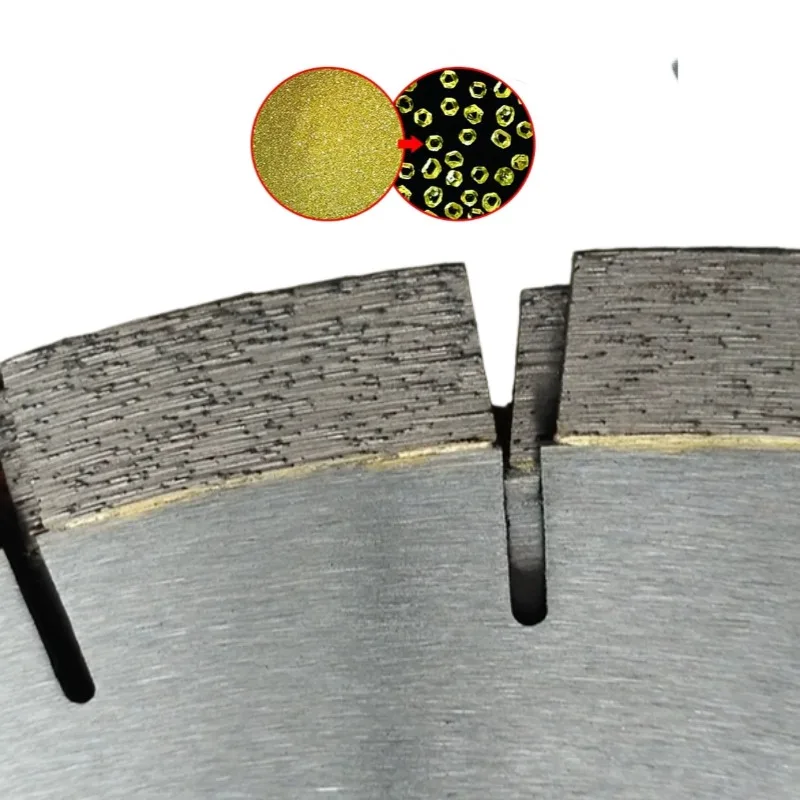
Figure 9: Granite Blade Segment Close-Up – The dense diamond distribution and thick segment bonding (seen here) provide exceptional wear resistance. The narrow gullets maintain cutting efficiency while preventing blade vibration during granite cutting.
Optimal Blade Specifications for Granite
- Extra-hard diamond segments (14-16% concentration) – resists abrasion from granite's mineral composition
- Turbo or segmented design with narrow gullets – balances cutting speed and debris removal
- Medium RPM (3000-3500) with constant water flow – prevents overheating and extends blade life
5. Ceramic/Porcelain Tile
Ceramic and porcelain tiles have a Mohs hardness of 5-7, with a dense, glazed surface and thin profile. Cutting tile requires extreme precision to avoid cracking, with blades designed for thin kerf (narrow cut width) and minimal vibration.
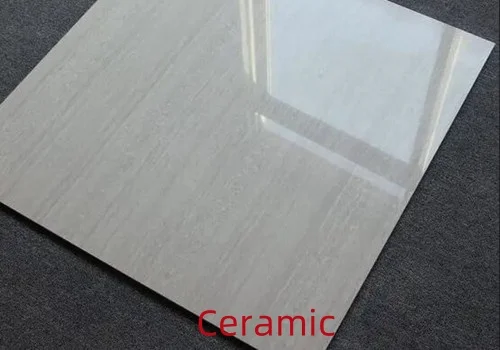
Figure 10: Porcelain Tile – This dense, glazed ceramic material features a thin profile (6-12mm) and hard surface. Cutting tile requires a thin, precision blade to avoid cracking the brittle ceramic structure.
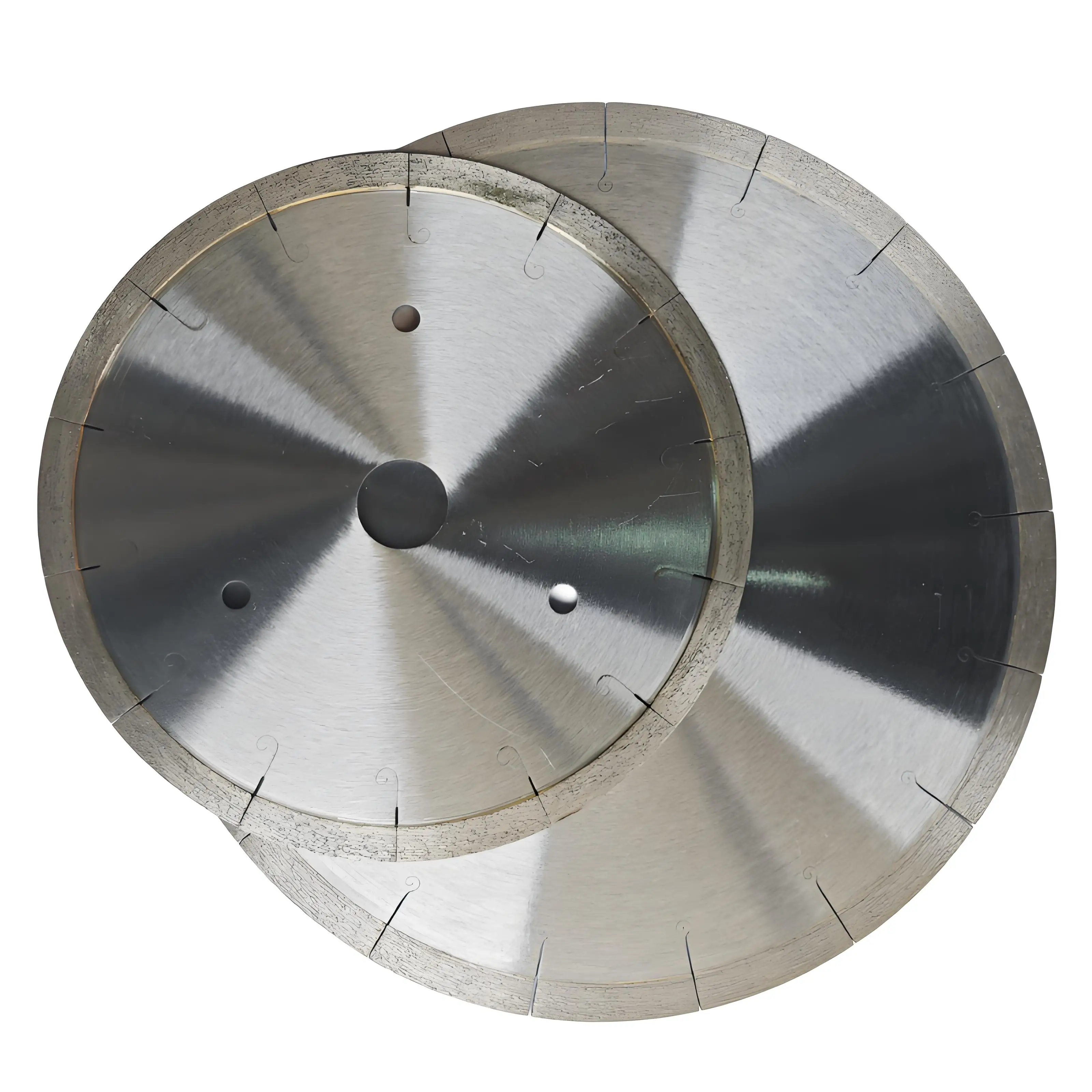
Figure 11: Tile Cutting Blade (Thin Kerf) – With a kerf width of just 1.2-1.8mm, this micro-diamond continuous rim blade produces clean, precise cuts on porcelain and ceramic tile. The low RPM (2500-3000) operation prevents tile cracking from thermal shock.
Optimal Blade Specifications for Tile
- Micro-diamond continuous rim blades – provides ultra-precise, crack-free cuts
- Thin kerf (1.2-1.8mm) – minimizes material loss and reduces cutting pressure on thin tiles
- Low RPM (2500-3000) – avoids thermal shock and tile cracking
6. Concrete (Construction Material)
Concrete is an aggregate-based material with a Mohs hardness of 6-7, often containing steel reinforcement. It is highly abrasive due to sand, gravel, and stone aggregates, requiring a heavy-duty blade with impact resistance and wide segments.
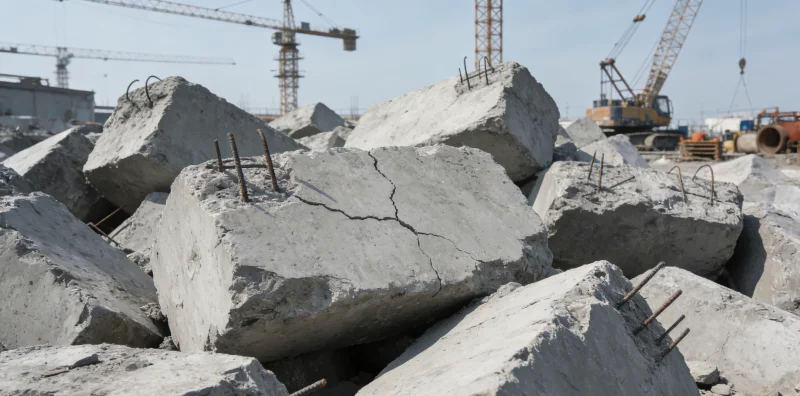
Figure 12: Concrete Block – This aggregate-based material contains sand, gravel, and stone particles bound in cement. Its abrasive nature and potential steel reinforcement require a heavy-duty segmented blade for impact resistance.
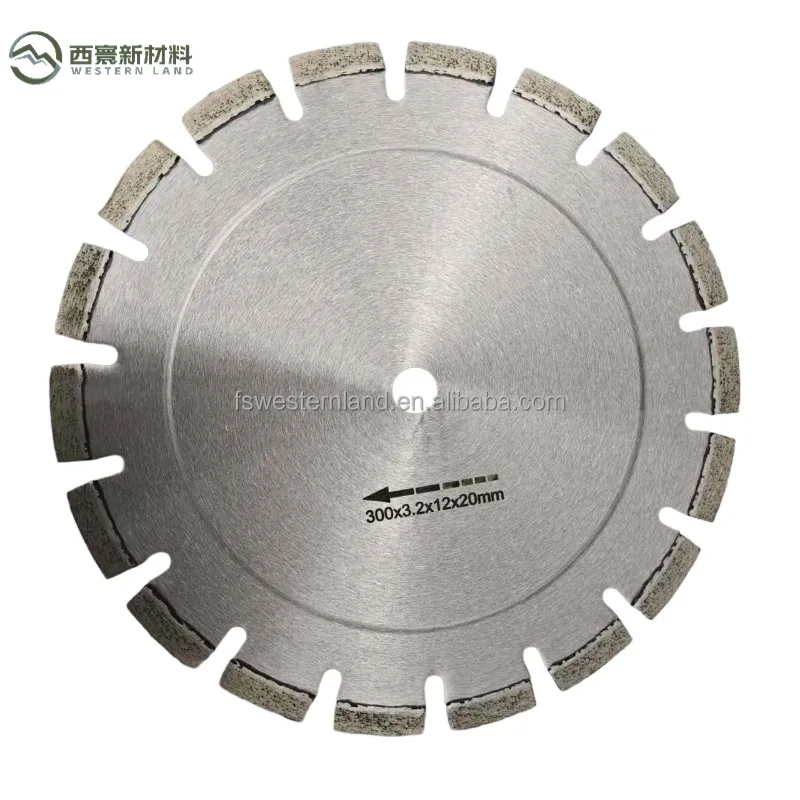
Figure 13: Heavy-Duty Concrete Saw Blade – Featuring wide, thick segments (12-14% diamond concentration) and deep gullets, this blade is built to cut through concrete and steel reinforcement. The robust segment bonding withstands impact from aggregate materials.
Optimal Blade Specifications for Concrete
- Heavy-duty segmented blades (12-14% diamond concentration) – resists impact and abrasion
- Wide segments – provides surface area for cutting through aggregate and steel
- Variable RPM (2800-3800) – adjusted based on concrete type (standard vs. reinforced)
3. Universal Tips for Diamond Saw Blade Selection
Beyond matching blade to stone type, these key factors ensure optimal performance and blade longevity across all cutting applications:
- Check Blade Compatibility: Ensure blade arbor size matches your cutting machine (common sizes: 20mm, 25.4mm, 30mm). Mismatched arbors cause vibration and unsafe cutting conditions.
- Consider Cutting Application:
- Table saws: Continuous rim blades for precision cuts on finished stone surfaces
- Handheld cutters: Segmented blades for fast, aggressive cutting on rough stone
- Wet vs Dry Cutting: Wet blades require water cooling to reduce dust and blade wear – mandatory for hard stones like granite and quartzite
- Inspect Blade Quality: Look for uniform diamond distribution (no gaps in segments), solid segment bonding (no cracks), and balanced blade construction (prevents vibration).
- Match RPM to Blade Size: Larger blades (400mm+) require lower RPM to maintain safe cutting speeds – follow manufacturer guidelines to avoid blade damage.
- Factor in Project Scale: Small residential projects use standard-duty blades; large commercial construction requires heavy-duty blades with extended lifespan.
4. Final Selection Checklist
Before starting any stone cutting project, confirm these critical factors to ensure optimal blade performance and cut quality:
- Blade diamond hardness/concentration matches the stone’s Mohs hardness rating
- Blade design (continuous/segmented/turbo) is appropriate for the cutting application and stone type
- Blade size and arbor diameter are compatible with your cutting machine
- Cooling method (wet/dry) is suitable for the stone’s abrasiveness and hardness
- RPM settings are optimized for both blade size and stone type
Choosing the right diamond saw blade isn’t just about making a cut—it’s about maximizing efficiency, minimizing waste, and achieving professional-quality results. By matching blade specifications to the unique physical properties of each stone, you’ll reduce operational costs, extend blade life, and ensure consistent, clean cuts on every project.








Contact Us
Send your message to us


点击右上角
分享给朋友吧
WhatApp/WeChat:
+8618576510428
+8613450822915
Email: info@fswesternland.cn
Email: mia@fswesternland.cn
Email: kikko@fswesternland.cn
Address: Room 1505, Baoneng Financial Building, No. 8 Junlan Road, Dongping Community, Lecong Town, Shunde District, Foshan City
WhatApp/WeChat:+8618576510428
Email: info@fswesternland.cn
Address: Room 1505, Baoneng Financial Building, No. 8 Junlan Road, Dongping Community, Lecong Town, Shunde District, Foshan City
Copyright © 2024 Foshan Western Land New Material Co, Ltd. All Rights Reserved.
