 中文
中文
Service Center
WhatsApp/Wechat
+86 18576510428
Working Time
Monday to Friday
E-mail
info@fswesternland.cn
E-mail
mia@fswesternland.cn
E-mail
kikko@fswesternland.cn

Abby

Mia

Kikko

Why Diamond Segments Wear Out Fast? 7 Mistakes You’re Making
2026-03-13 11:22:35
Click:
“
Diamond segments wear out far too fast for most stone fabricators, and the issue is almost always avoidable mistakes in use and maintenance. Mismatched bond hardness, poor cooling, forced feeding, wrong segment types, neglectful upkeep, misaligned equipment and cross-stone cutting all slash lifespan—fix these 7 errors to double segment life, cut replacement costs and boost cutting efficiency on granite, marble, quartzite and concrete.
”
Why Diamond Segments Wear Out Fast? 7 Mistakes You’re Making
Fix these critical errors to double diamond blade life on granite, marble, quartzite & concrete
1. The Cost of Fast-Wearing Diamond Segments
Diamond segments are the heart of any cutting blade—but 90% of stone fabricators and contractors make avoidable mistakes that cut segment lifespan by 50% or more. Worn-out segments mean frequent blade replacements, slower cutting speeds, chipped stone edges, and lost profits. The good news? These mistakes are easy to fix once you know what they are.
Shocking Statistic: The average diamond segment lifespan can be doubled by avoiding just 3 of these common mistakes—saving you thousands in replacement blades each year.
2. 7 Mistakes Causing Fast Diamond Segment Wear
Below are the most common errors that accelerate diamond segment wear, along with actionable fixes to extend blade life and improve cutting performance:
1 Choosing the Wrong Segment Bond Hardness for Your Stone
Diamond segments have different bond hardness ratings (soft, medium, hard) designed for specific stone types. Using a hard-bond segment on soft stone (like marble) causes glazing—diamonds get trapped in the bond and can’t cut, leading to rapid wear. Using a soft-bond segment on hard stone (like granite) wears the bond too fast, losing diamonds prematurely.
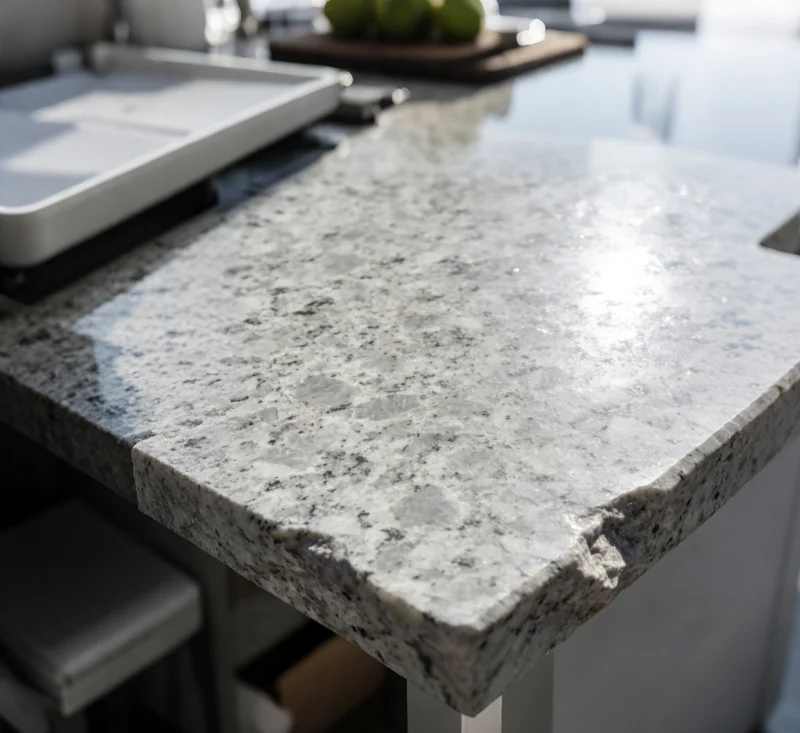
Figure 1: Granite Slab (6-7 Mohs) – Requires hard-bond diamond segments to withstand abrasion. Using soft-bond segments here leads to 50% faster wear.
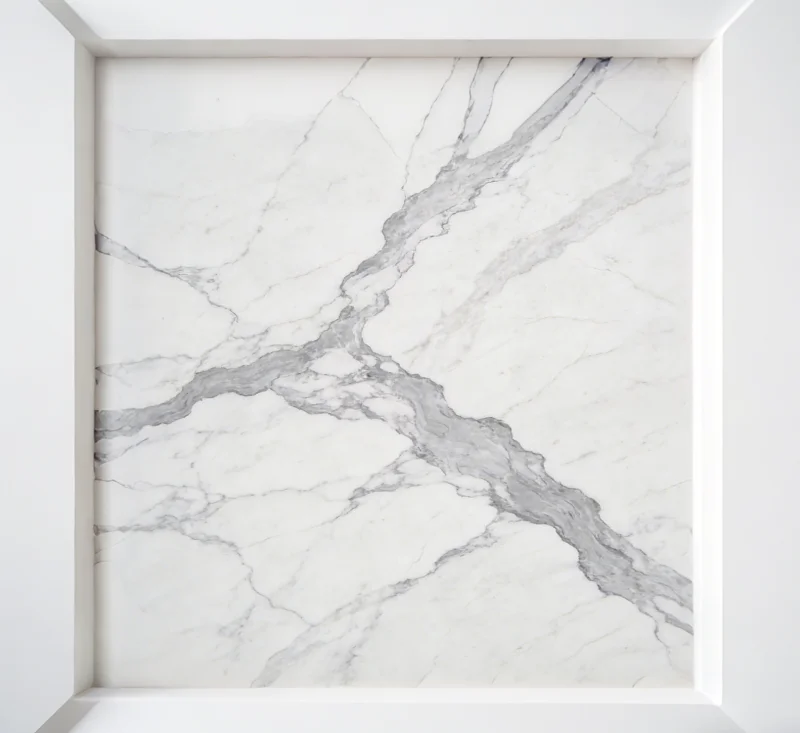
Figure 2: Marble Slab (3-4 Mohs) – Needs soft-bond segments to allow diamonds to expose properly. Hard-bond segments glaze over and fail to cut effectively.
How to Fix It (Match Bond Hardness to Stone Type)
- Soft stone (marble, sandstone) → soft-bond segments (6-8% diamond concentration)
- Medium stone (quartz, concrete) → medium-bond segments (10-12% concentration)
- Hard stone (granite, quartzite) → hard-bond segments (14-16% concentration)
2 Insufficient Cooling (Dry Cutting Hard Stones)
Heat is the number one enemy of diamond segments. Cutting hard stones like quartzite or granite without proper water cooling causes segments to overheat, melt the bond, and lose diamonds. Even dry-cut blades need adequate air flow or mist cooling—running them hot destroys segments in hours instead of days.
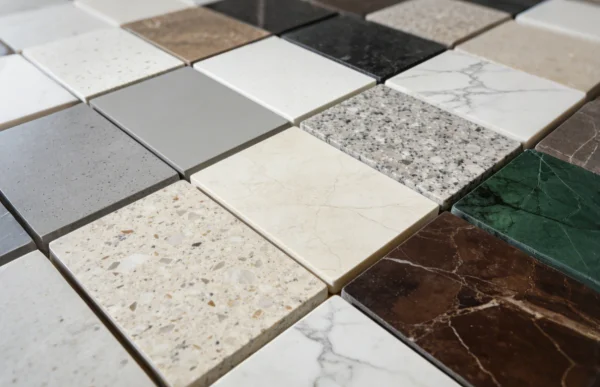
Figure 3: Quartzite Slab (7 Mohs) – The hardest natural stone used in construction. Constant water cooling is mandatory to prevent segment overheating and premature wear.
How to Fix It (Proper Cooling for Hard Stones)
- Always use water cooling for hard/abrasive stones (granite, quartzite, concrete)
- For dry cutting, use only dry-specific blades with heat-resistant bonds
- Maintain 2-3 liters/min of water flow for every 100mm blade diameter
3 Feeding the Blade Too Fast (Forcing Cuts)
Trying to cut faster by pushing the blade hard into the stone puts excessive pressure on diamond segments. This causes segments to chip, crack, or wear unevenly—reducing lifespan by up to 40%. Diamond segments need to cut at their natural speed to expose new diamonds gradually.
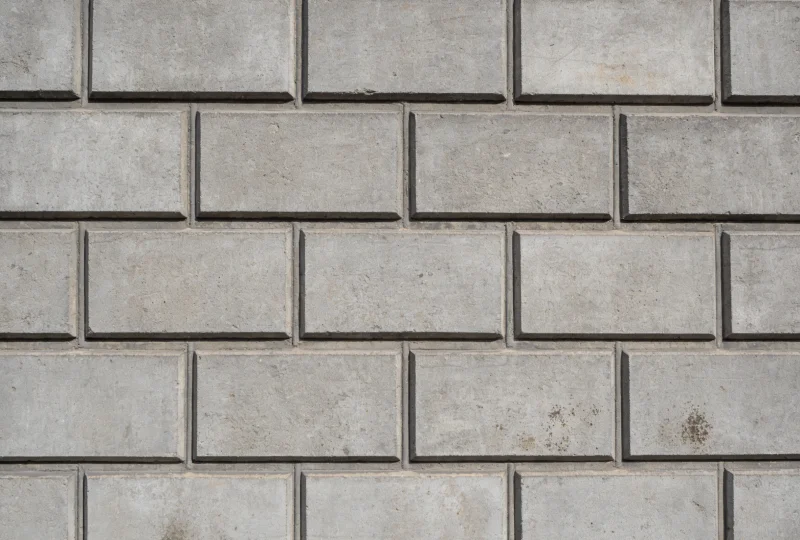
Figure 4: Concrete Wall Cutting – Forcing the blade into reinforced concrete causes segment chipping and uneven wear. Slow, steady feeding doubles segment life.
How to Fix It (Optimal Feed Rate by Stone Type)
- Follow manufacturer feed rate guidelines (typically 3-5 cm/min for hard stone)
- Let the blade do the work—no extra pressure needed
- Reduce feed rate if you see sparks, hear grinding, or feel vibration
4 Using the Wrong Segment Type for the Application
Not all diamond segments are created equal—segmented blades for rough cutting, turbo segments for fast cutting, and continuous rim for precision cutting each have specific uses. Using a grinding segment for cutting, or a cutting segment for grinding, accelerates wear and reduces performance.
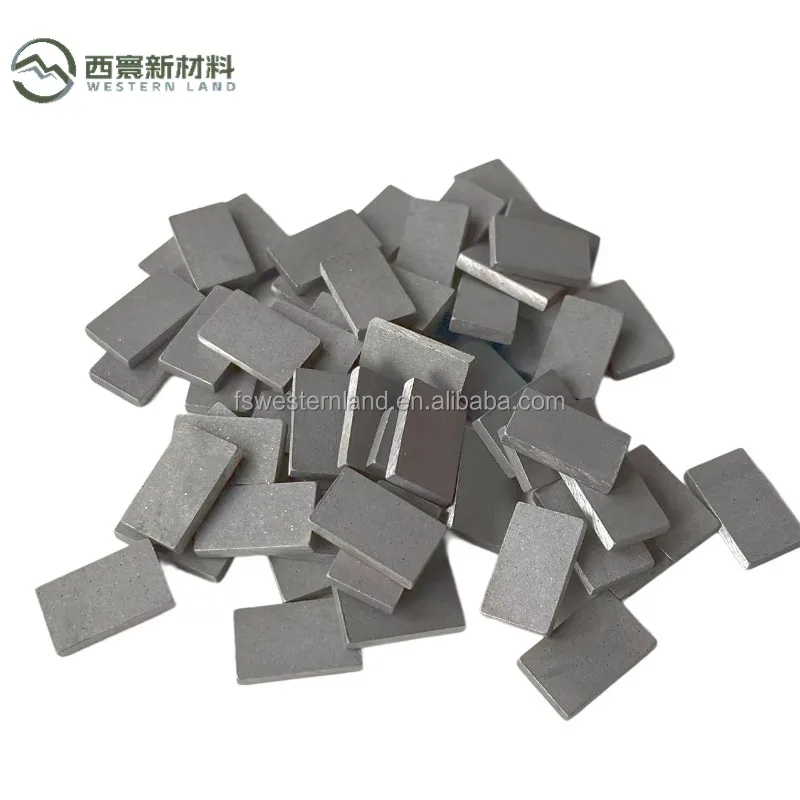
Figure 5: Standard Cutting Diamond Segment – Engineered for clean, fast cutting of stone (granite/marble). Using this for grinding leads to rapid edge wear.
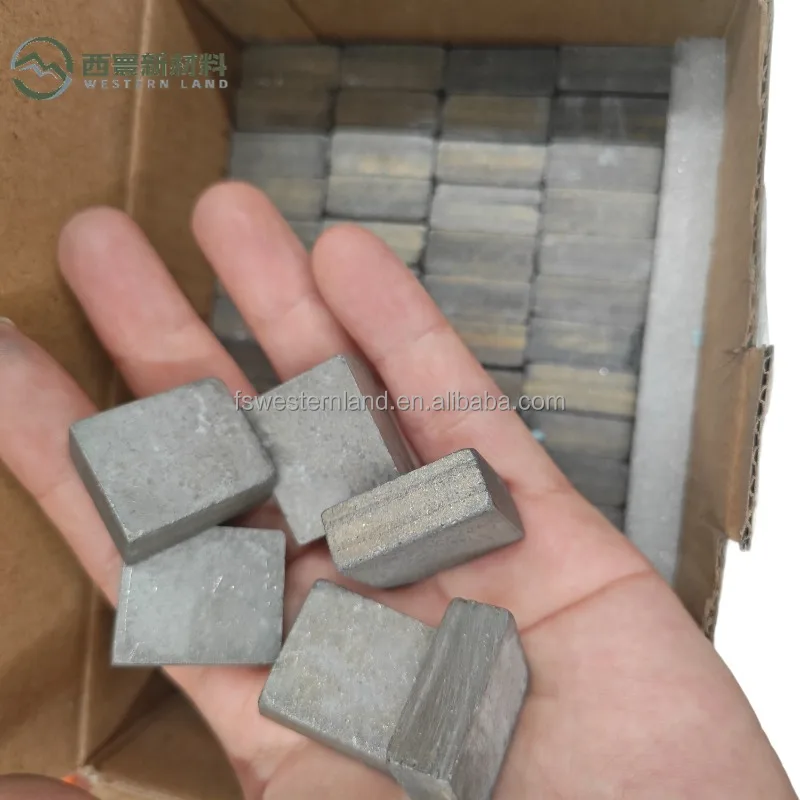
Figure 6: Premium Cutting Segment – Reinforced bonding for hard stone (quartzite/concrete) cutting. Not suitable for grinding applications.
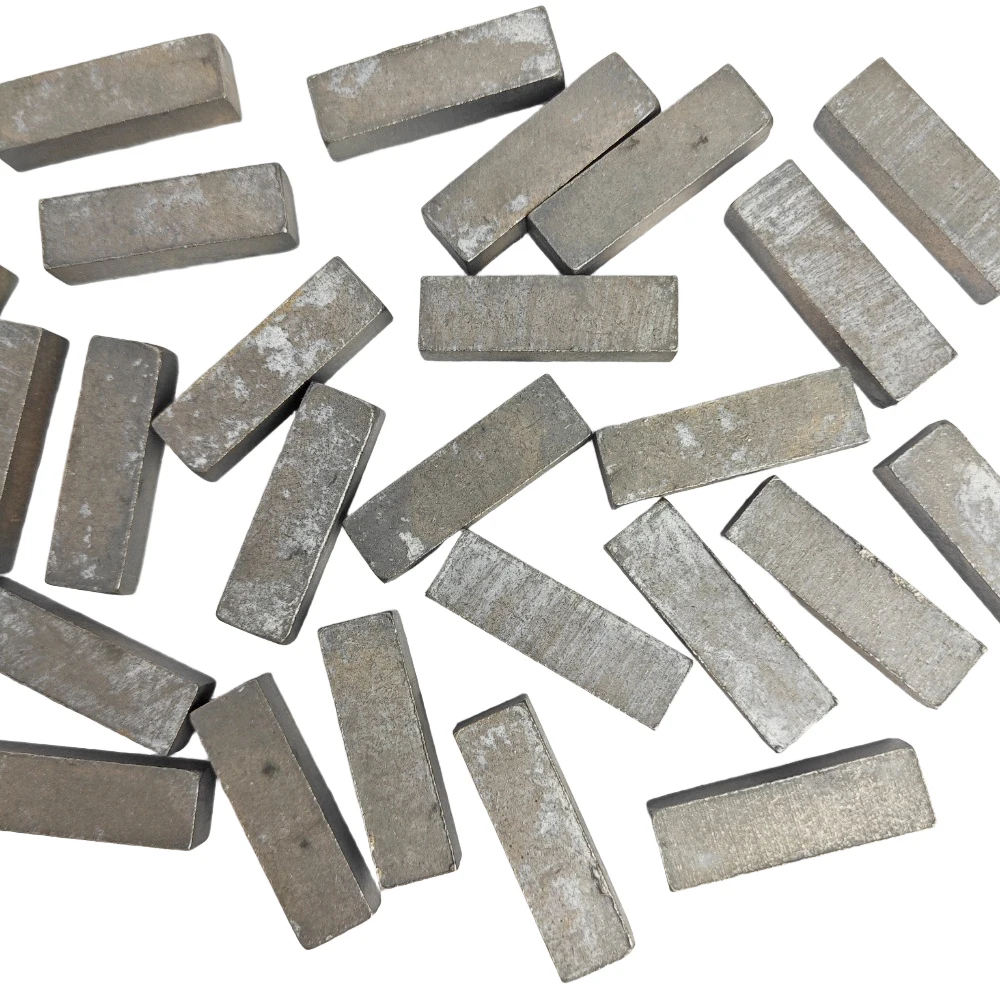
Figure 7: Grinding Diamond Segments – Built for surface finishing and edge grinding of marble/granite. Using these for cutting causes uneven wear.
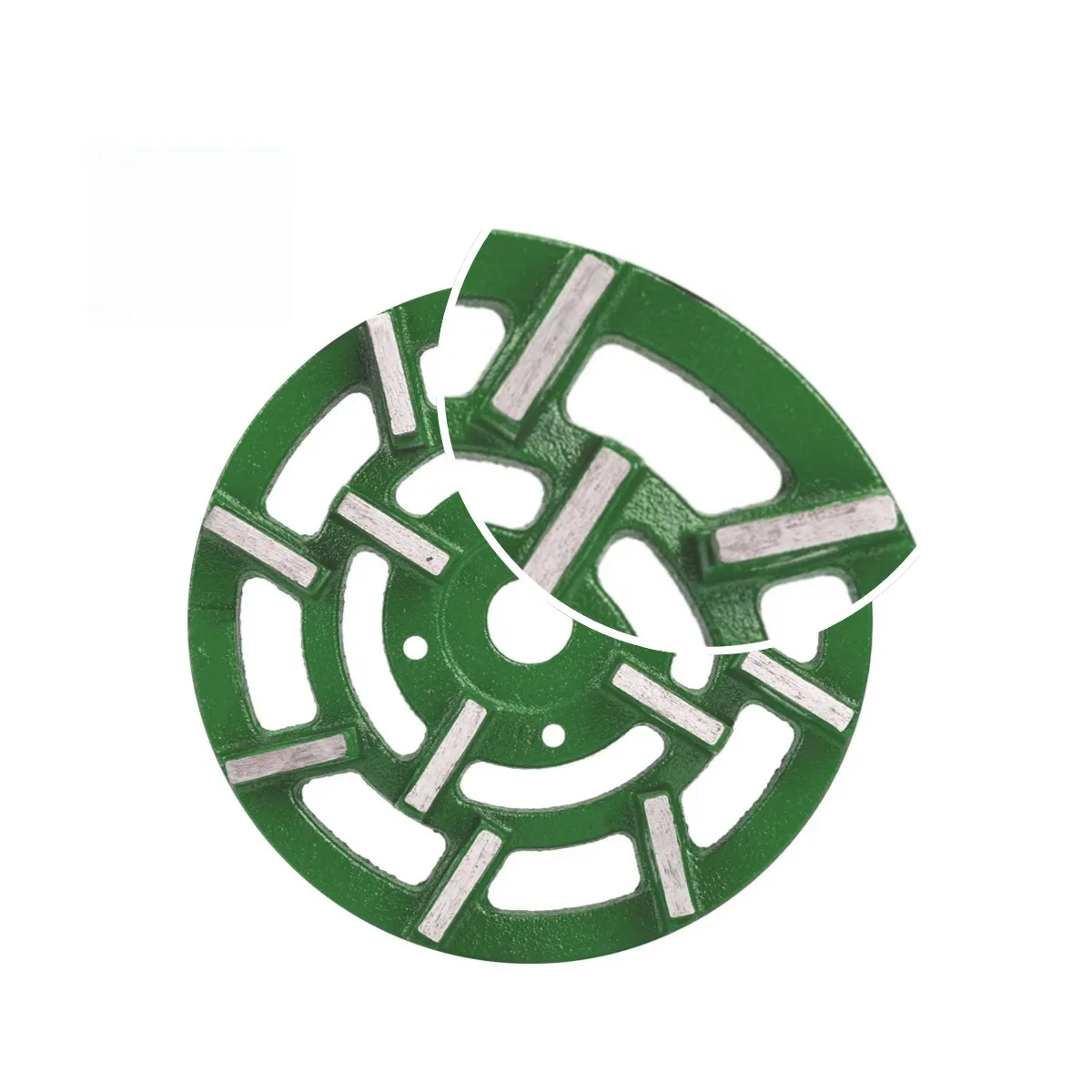
Figure 8: Grinding Disc with Diamond Segments – Optimized for polishing stone surfaces, not structural cutting. Using this for cutting stone wastes segments quickly.
How to Fix It (Match Segment Type to Application)
- Cutting stone (granite/marble/concrete) → segmented/turbo diamond segments
- Grinding/finishing (edge polishing) → small, dense grinding segments
- Precision cuts (tile/marble) → continuous rim segments
5 Neglecting Blade Maintenance & Cleaning
Concrete dust, stone residue, and metal shavings build up on diamond segments, causing glazing and reducing cutting ability. Neglecting to clean blades after use, or storing them improperly, leads to rust, warping, and premature segment failure.
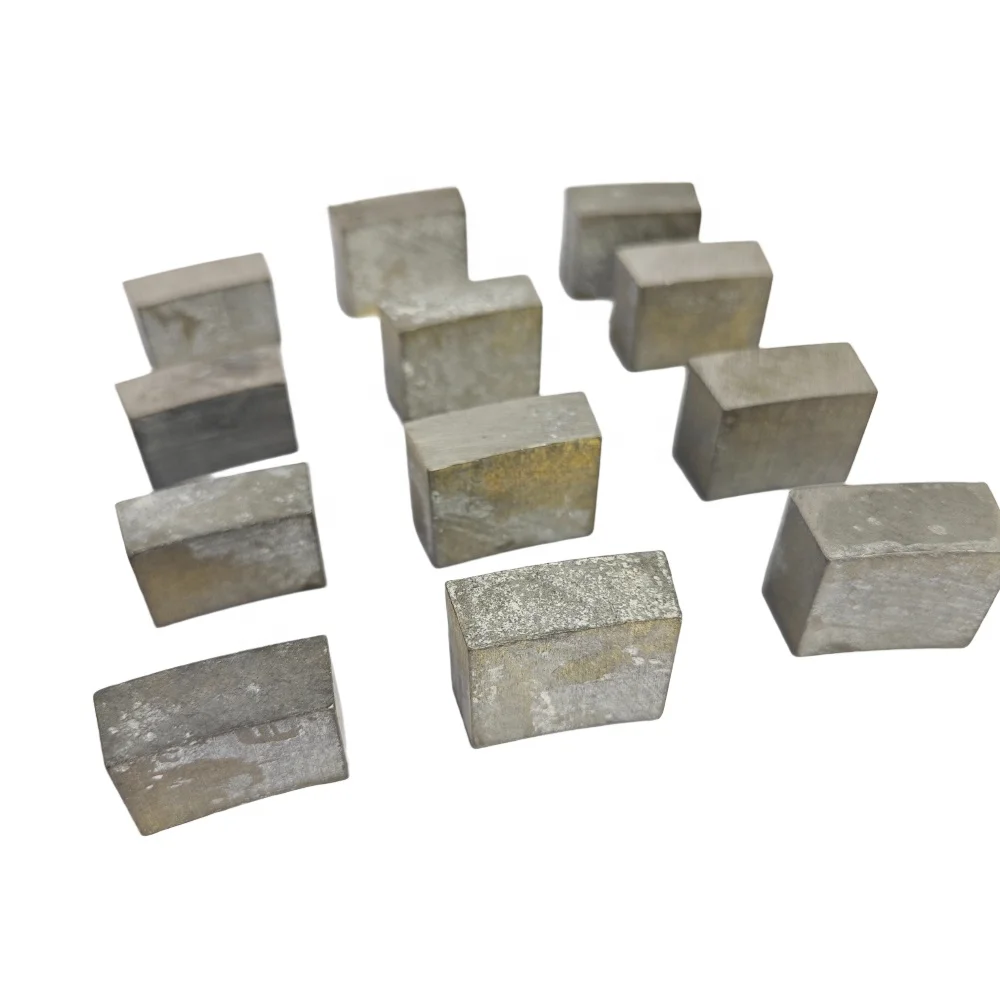
Figure 9: Edge Grinding Segments – Residue buildup (seen here) causes segment glazing. Regular cleaning restores cutting performance and extends life.
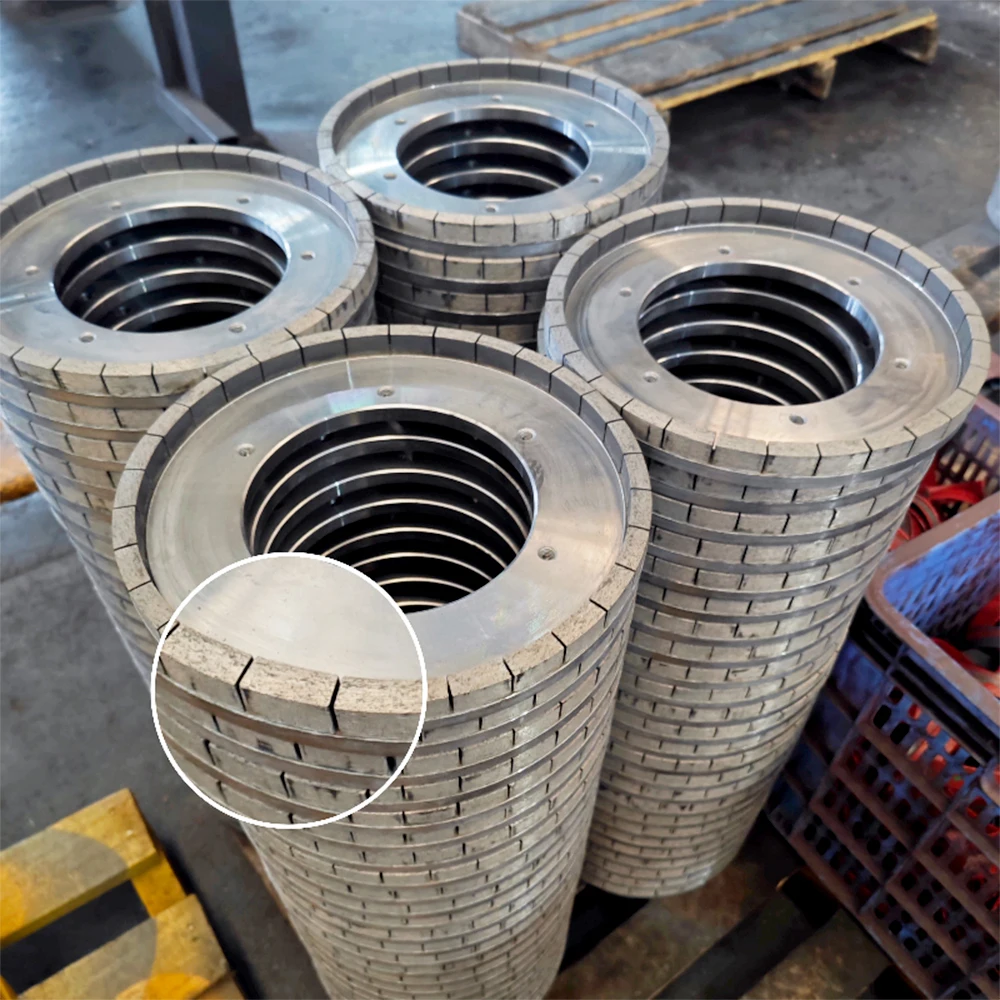
Figure 10: Edge Grinding Wheel – Residue trapped in segment gaps reduces cutting efficiency. Proper cleaning after each use prevents glazing.
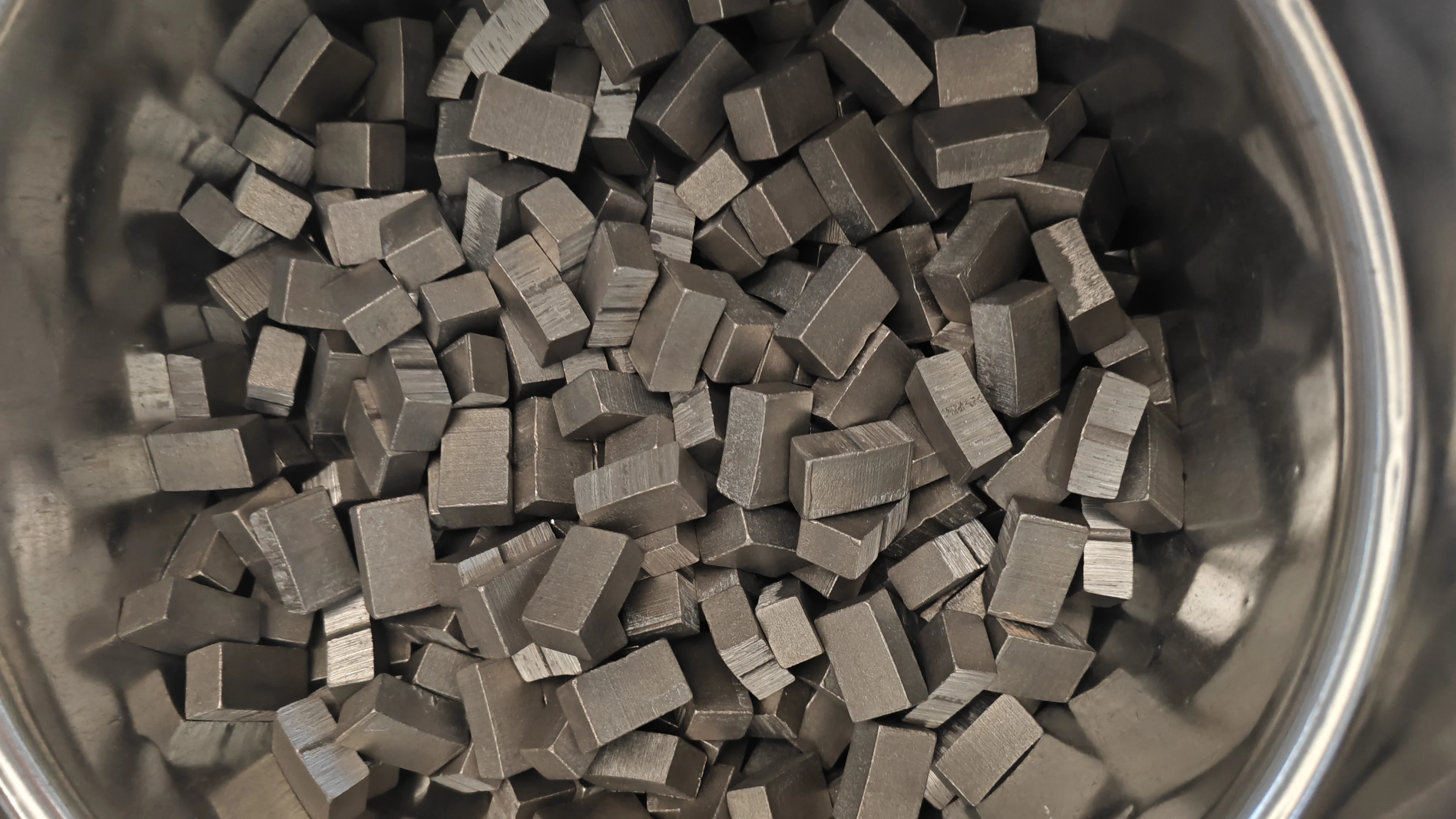
Figure 11: Dirty Grinding Segments – Uncleaned segments lose 30% of cutting efficiency. Simple water cleaning restores full performance.
How to Fix It (Proper Segment Maintenance)
- Clean blades with water and a brush after every use to remove stone/concrete residue
- Store blades flat in a dry place to prevent warping/rust
- Sharpen glazed segments with a dressing stone (1-2 minutes per blade)
6 Using Misaligned or Uncalibrated Cutting Equipment
Wobbly saw arbors, misaligned guides, or uneven tables cause diamond segments to make uneven contact with the stone. This leads to chipped segments, uneven wear, and reduced lifespan—even with high-quality diamond segments.
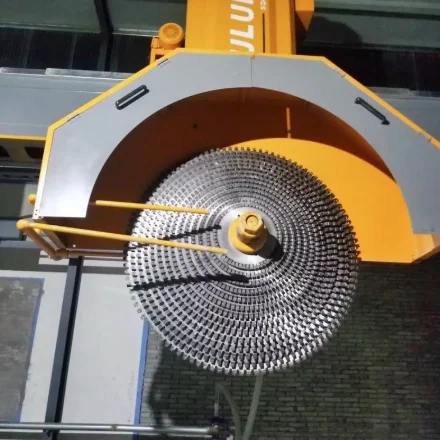
Figure 12: Calibrated Tower Saw – Properly aligned equipment ensures even segment contact with stone, maximizing segment life and cut quality.
Video 1: Tower Saw Cutting with Calibrated Equipment – Even segment contact reduces wear by 40% compared to misaligned machines.
How to Fix It (Equipment Calibration for Even Wear)
- Check blade arbor alignment monthly (no more than 0.1mm runout)
- Keep cutting tables level and guides clean
- Balance blades before use to reduce vibration
7 Cutting Different Stone Types with the Same Blade
Using the same diamond blade for soft stone (marble) and hard stone (granite) cross-contaminates segments with abrasive particles. Granite dust on a marble blade causes rapid wear on soft segments, while marble residue on a granite blade glazes hard segments.
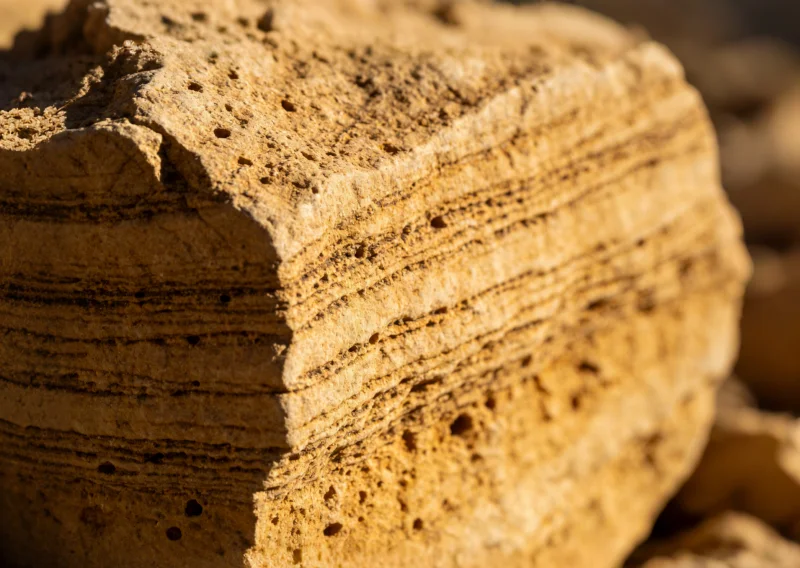
Figure 13: Sandstone Cutting – Soft, porous sandstone leaves residue that glazes hard-bond granite segments. Use dedicated blades for each stone type.
How to Fix It (Dedicated Blades for Each Stone Type)
- Use dedicated blades for each stone type (granite, marble, concrete, tile, sandstone)
- Clean blades thoroughly before switching between stone types
- Label blades by stone type to avoid cross-use
3. Pro Tips to Double Diamond Segment Lifespan
Beyond fixing the 7 mistakes above, these expert tips will maximize your diamond segment performance and lifespan:
- Choose High-Quality Segments: Look for uniform diamond distribution and thick segment bonding (avoid cheap, low-concentration segments)
- Match RPM to Blade Size: Larger blades (400mm+) need lower RPM (2800-3200) to prevent segment damage
- Pre-Check for Obstacles: Scan concrete/stone for steel reinforcement before cutting to avoid impact damage
- Rotate Blades Regularly: Flip blades every 8-10 hours of use to ensure even wear on all segments
- Replace Segments Early: Don’t wait for complete wear—replace segments when they’re 50% worn to avoid damaging the blade core
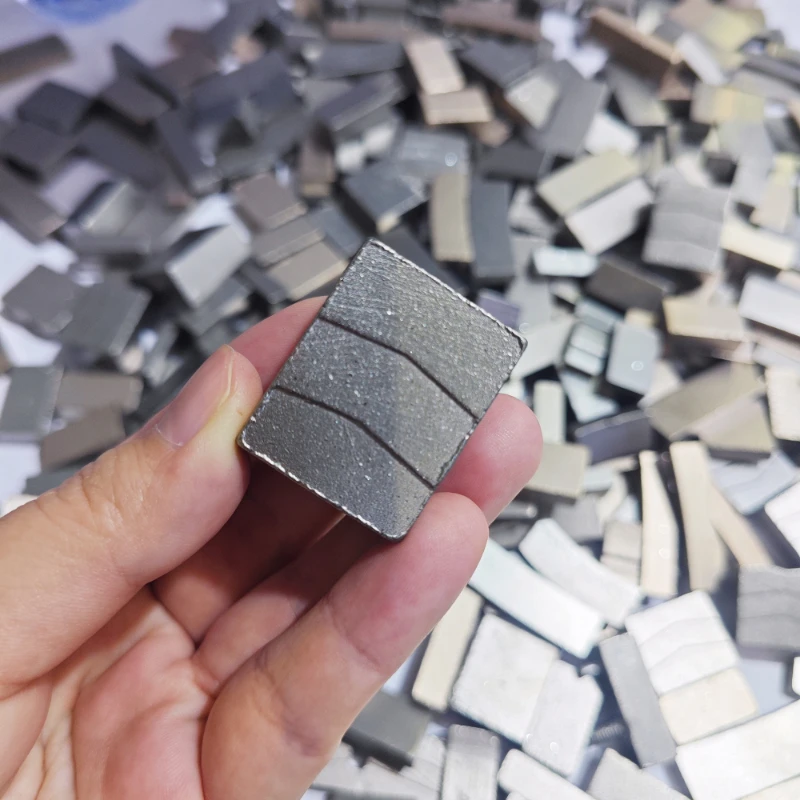
Figure 14: Premium Tower Saw Segments – High-quality segments with optimal diamond concentration last 2x longer than budget alternatives.
Video 2: Premium Tower Saw Segments in Action – Engineered for minimal wear and maximum efficiency on all stone types.
4. Stop Wasting Money on Fast-Wearing Segments
Diamond segment wear isn’t inevitable—it’s almost always caused by avoidable mistakes in selection, operation, or maintenance. By matching segment bond hardness to stone type, using proper cooling, feeding at the right speed, and maintaining your equipment, you can double or even triple the lifespan of your diamond blades.
The key takeaway: fast-wearing segments aren’t a product failure—they’re a sign you’re making one (or more) of these 7 critical mistakes. Fix them, and you’ll cut costs, improve cut quality, and boost productivity on every stone cutting project.








Contact Us
Send your message to us


点击右上角
分享给朋友吧
WhatApp/WeChat:
+8618576510428
+8613450822915
Email: info@fswesternland.cn
Email: mia@fswesternland.cn
Email: kikko@fswesternland.cn
Address: Room 1505, Baoneng Financial Building, No. 8 Junlan Road, Dongping Community, Lecong Town, Shunde District, Foshan City
WhatApp/WeChat:+8618576510428
Email: info@fswesternland.cn
Address: Room 1505, Baoneng Financial Building, No. 8 Junlan Road, Dongping Community, Lecong Town, Shunde District, Foshan City
Copyright © 2024 Foshan Western Land New Material Co, Ltd. All Rights Reserved.
