 中文
中文
Service Center
WhatsApp/Wechat
+86 18576510428
Working Time
Monday to Friday
E-mail
info@fswesternland.cn
E-mail
mia@fswesternland.cn
E-mail
kikko@fswesternland.cn

Abby

Mia

Kikko

How do drill bits work: A perfect description of its working.
2026-02-12 14:14:43
Click:
“
Diamond finger bits are essential for precise stone and ceramic drilling—blade length directly shapes performance, and the drill-first circular cutting method is the secret to crack-free, clean holes with extended tool life. Master the right selection and usage for flawless results.
”
Diamond Finger Bits: Blade Length Impact & Optimal Usage Methods
A complete guide to selecting and using finger bits for precise stone, granite, marble and ceramic processing
1. What Are Diamond Finger Bits?
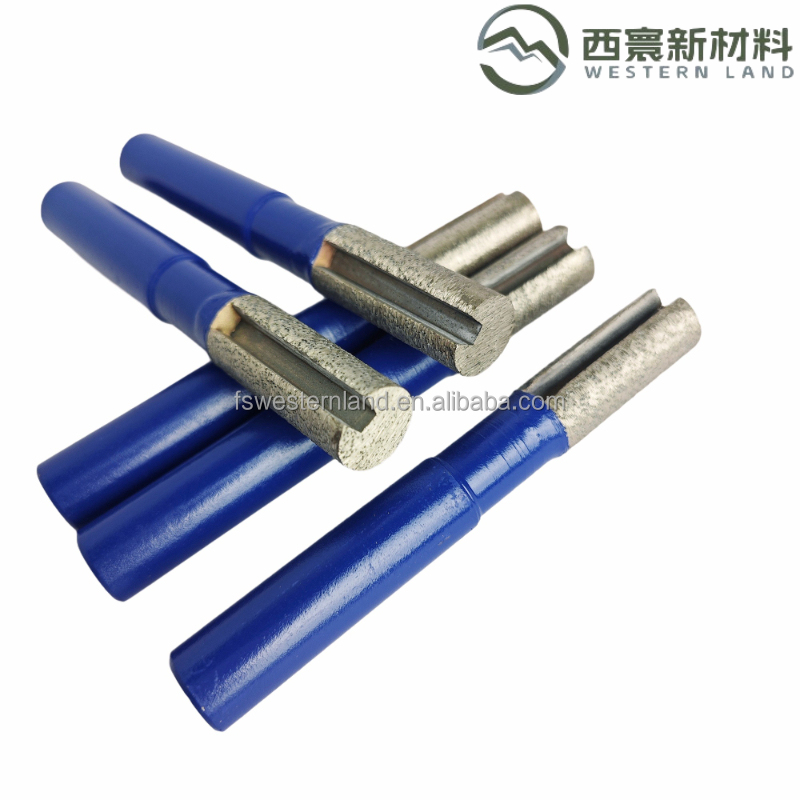
Diamond finger bits (also known as core drill bits or tile drill bits) are specialized cutting tools designed for drilling and shaping holes in hard materials like granite, marble, ceramic, porcelain and engineered stone. Featuring a diamond-impregnated cutting head and a cylindrical shank, they are essential for creating clean, precise holes in stone fabrication, tile installation and countertop manufacturing.
Unlike standard drill bits, diamond finger bits leverage industrial-grade diamonds to maintain sharpness and durability, making them ideal for high-volume or precision-focused processing tasks. Their unique design allows for both drilling initial pilot holes and expanding cuts to the desired size—one of the key advantages that sets them apart from other cutting tools.
2. How Blade Length Affects Finger Bit Performance
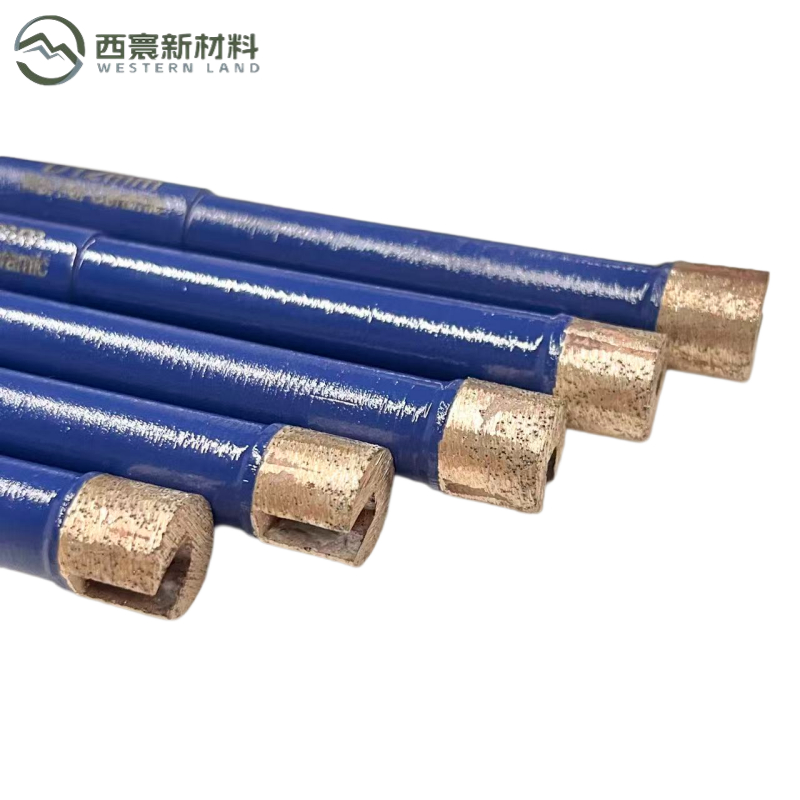
The blade length (or cutting depth) of a diamond finger bit is one of the most critical specifications, directly impacting processing efficiency, precision and tool lifespan. Here’s how different blade lengths influence performance:
- Short Blade Length (10-20mm): Ideal for thin materials like ceramic tiles (6-12mm thick) or shallow hole drilling. Short blades offer superior stability, reducing vibration and ensuring clean, burr-free edges. They are also less prone to bending or breaking during high-speed operation.
- Medium Blade Length (20-40mm): The most versatile option for standard applications, including granite/marble countertops (15-30mm thick) and medium-density engineered stone. Balances stability and cutting depth, suitable for both drilling and light shaping work.
- Long Blade Length (40mm+): Designed for thick materials like solid stone slabs (30mm+ thick) or deep hole drilling. Requires slower operating speeds to maintain control—longer blades increase vibration risk but enable processing of thick workpieces without tool repositioning.
- Key Tradeoff: Longer blades improve cutting depth but reduce precision; shorter blades prioritize accuracy but limit the thickness of material that can be processed in a single pass. Selecting the right length ensures optimal performance and avoids premature tool wear.
3. Proper Usage of Diamond Finger Bits: Drill First, Cut Gradually
The standard and most effective way to use diamond finger bits follows a two-step process: drilling an initial pilot hole, then expanding the cut in gradual, circular passes. This method is widely adopted in the industry for its ability to minimize material damage and maximize precision.
Step-by-Step Usage Process
- Pilot Hole Drilling: Start by drilling a small, centered pilot hole (matching the base diameter of the finger bit) at low to medium speed. Use water cooling to prevent overheating and dust buildup—critical for protecting both the tool and the material.
- Gradual Circular Cutting:Once the pilot hole is complete, increase speed slightly and move the finger bit in slow, circular motions around the pilot hole. Expand the cut incrementally (2-3mm per pass) until reaching the desired hole size.
- Final Smoothing: After reaching the target diameter, run the finger bit around the edge of the hole at reduced speed to remove burrs and ensure a smooth, clean finish.
This 'drill first, cut gradually' approach offers four key benefits for stone/ceramic processing:
- Reduced Material Cracking: Drilling a pilot hole creates a stable starting point, preventing the finger bit from skidding or causing stress cracks in brittle materials like ceramic or marble.
- Improved Precision: Gradual circular cutting allows for fine adjustments to hole size and position, ensuring the final hole matches exact specifications (critical for sink cutouts, faucet holes, etc.).
- Extended Tool Life: Slow, incremental cutting reduces friction and heat buildup, minimizing wear on the diamond cutting edges and doubling or tripling the tool’s service life.
- Cleaner Finishes: Skidding and rough cuts are eliminated, producing holes with smooth edges that require minimal post-processing (sanding/polishing).
4. Key Takeaways for Finger Bit Selection & Use
Selecting the right diamond finger bit starts with matching blade length to material thickness: short blades for thin tiles, medium for standard stone slabs, and long for thick workpieces. Always follow the 'drill first, cut gradually' method to ensure precision, reduce material waste, and extend tool lifespan.
Proper cooling (water or air) and speed control are equally important—overheating is the leading cause of premature finger bit failure. By understanding blade length impact and adhering to best practices for usage, fabricators can achieve consistent, high-quality results in stone and ceramic processing.








Contact Us
Send your message to us


点击右上角
分享给朋友吧
WhatApp/WeChat:
+8618576510428
+8613450822915
Email: info@fswesternland.cn
Email: mia@fswesternland.cn
Email: kikko@fswesternland.cn
Address: Room 1505, Baoneng Financial Building, No. 8 Junlan Road, Dongping Community, Lecong Town, Shunde District, Foshan City
WhatApp/WeChat:+8618576510428
Email: info@fswesternland.cn
Address: Room 1505, Baoneng Financial Building, No. 8 Junlan Road, Dongping Community, Lecong Town, Shunde District, Foshan City
Copyright © 2024 Foshan Western Land New Material Co, Ltd. All Rights Reserved.
