 中文
中文
Service Center
WhatsApp/Wechat
+86 18576510428
Working Time
Monday to Friday
E-mail
info@fswesternland.cn
E-mail
mia@fswesternland.cn
E-mail
kikko@fswesternland.cn

Abby

Mia

Kikko

How to Achieve Perfect Countertop Edges: Top Diamond Tool Solutions for Stone Fabricators
2026-01-28 10:44:47
Click:
“
Explore professional diamond tool solutions for stone countertop edge profiling and finishing. This guide covers essential tools for processing granite, marble, and quartz, focusing on achieving precise edge shapes while ensuring long-lasting tool durability through optimal diamond concentration and bond selection.
”
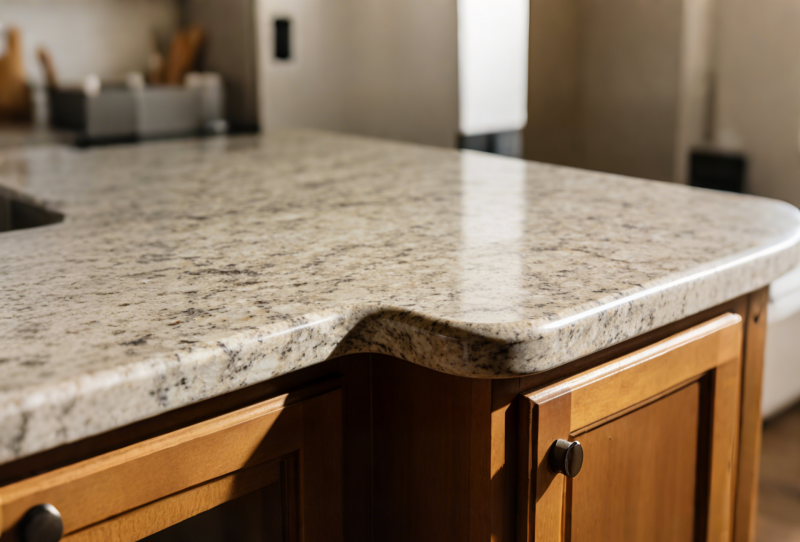
Stone countertops are the centerpiece of kitchens and bathrooms, with their edges playing a critical role in both aesthetics and functionality.

Edge profiling—including chamfering, rounding, beveling, and other custom shapes—can elevate the look of a countertop, but it’s one of the most challenging stages in stone processing.
Cabinet and stone customization factories often struggle with uneven edges, chipping, rough surfaces, and inefficient tool use when working on granite, marble, engineered quartz, and other common countertop stones.
The key to achieving smooth, precise, chip-free edge finishes lies in selecting the right diamond tools and mastering professional operation techniques. This guide breaks down the most common edge profiling challenges, matching diamond profiling wheels and finishing blades to each task, and sharing pro tips to streamline your workflow and boost product quality.
Key Challenges in Stone Countertop Edge Profiling & Finishing
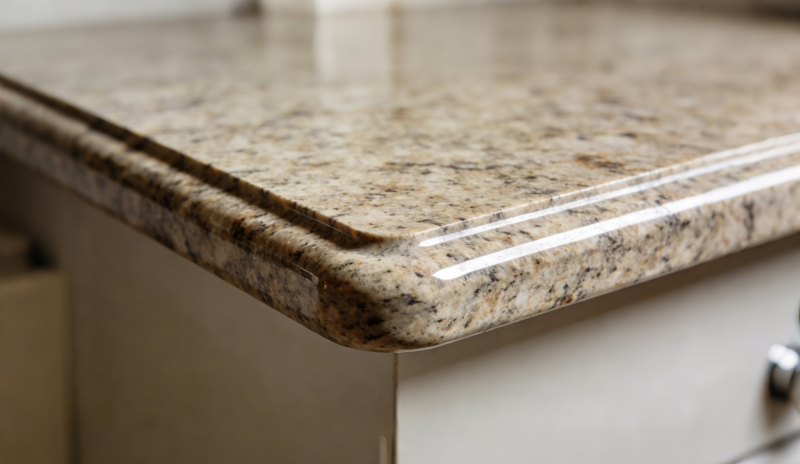
Edge profiling is more delicate than standard stone cutting or grinding, as it focuses on narrow, irregular surfaces that are prone to damage. The top pain points for cabinet and stone customization factories include:
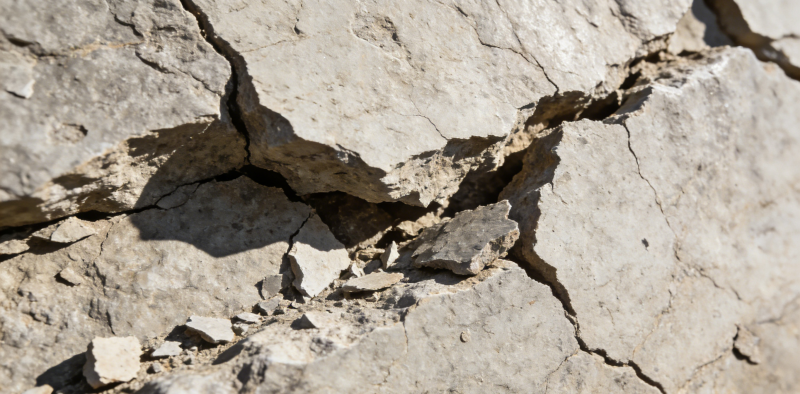
- Chipping
and cracking: Delicate stone edges (especially marble and thin
quartz slabs) easily chip when using blunt or improper tools,
ruining the countertop’s appearance and requiring costly
repairs.
- Uneven surfaces: Inconsistent pressure or mismatched tools lead to wavy, rough edges that fail to meet customer expectations for a seamless finish.
- Inefficiency: Using the wrong diamond tool for profiling or finishing slows down production, increasing labor and tool replacement costs.
- Stone-specific compatibility: Different countertop stones (granite, marble, engineered quartz) have varying hardness and textures, requiring tailored tool solutions to avoid damage.
These challenges can be fully resolved with targeted diamond profiling wheels, diamond finishing blades, and proper operation methods—tools designed specifically for the precision and delicacy of countertop edge work.
Essential Diamond Tools for Stone Countertop Edge Profiling & Finishing
The right diamond tools are non-negotiable for high-quality edge profiling. The two core tool categories are diamond profiling wheels (for shaping edges) and diamond finishing blades (for refining and smoothing), each available in specialized designs to match different profiling tasks and stone types. Below is a detailed breakdown of tool selection, tailored to the needs of cabinet and stone customization factories.
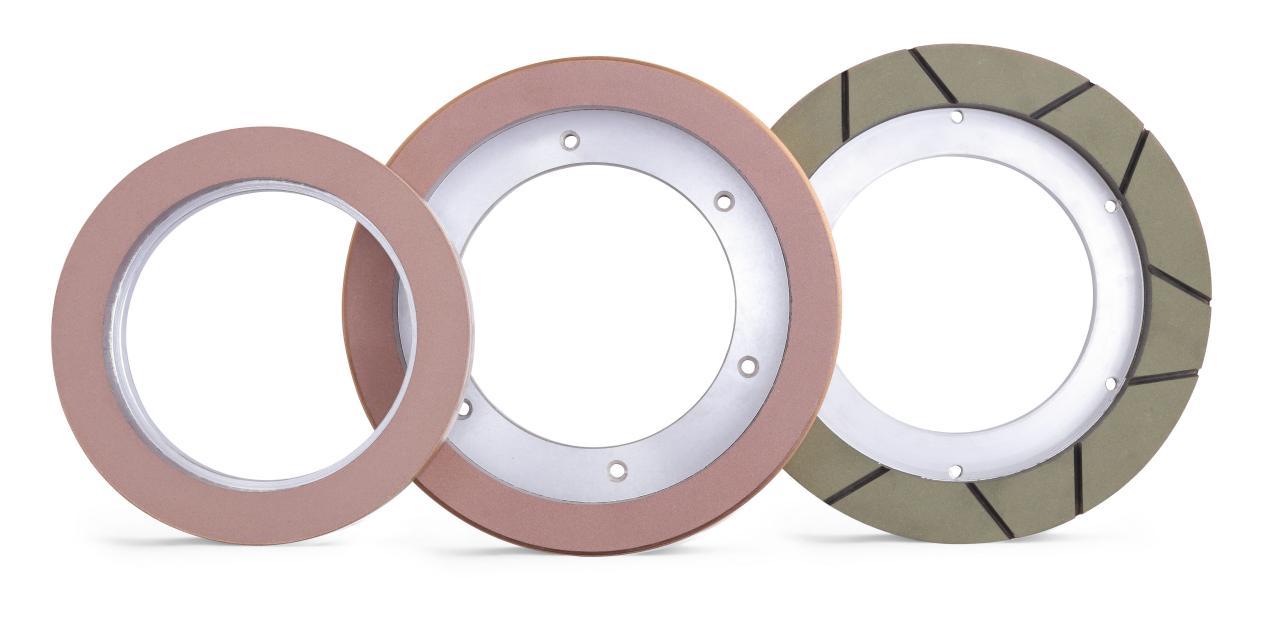
1. Diamond Profiling Wheels: Shaping Custom Edge Profiles
Diamond profiling wheels are engineered to carve specific edge shapes, with grit sizes and bond types optimized for precision. They replace traditional grinding tools, offering faster cutting, less wear, and smoother results. Here’s how to match them to common edge profiles and stones:
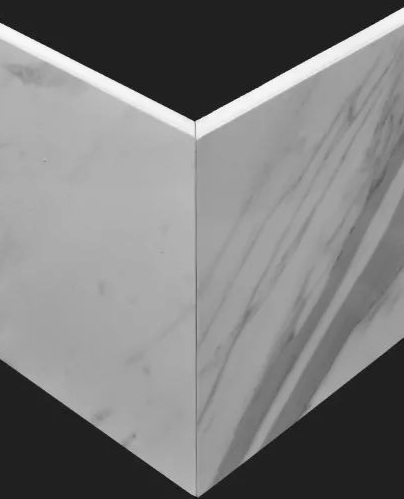
Chamfered Edges (45° Beveled Edges)
Chamfered edges are a popular, sleek choice for modern countertops, featuring a 45° angle cut along the top or bottom edge. The main challenge is achieving a consistent angle and avoiding chipping along the bevel.
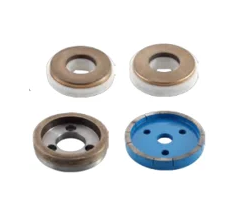
- Recommended
tools: resin-bond
diamond profiling wheels
(60-80 grit) for rough shaping, followed by 120-240 grit resin-bond
profiling wheels for initial smoothing. For hard stones like
granite, use hybrid-bond
diamond profiling wheels
to balance sharpness and durability.
- Pro tip: Choose profiling wheels with a beveled edge design (matching the 45° angle) to ensure consistency. Avoid metal-bond profiling wheels for chamfering—they are too aggressive and may scratch the stone surface.
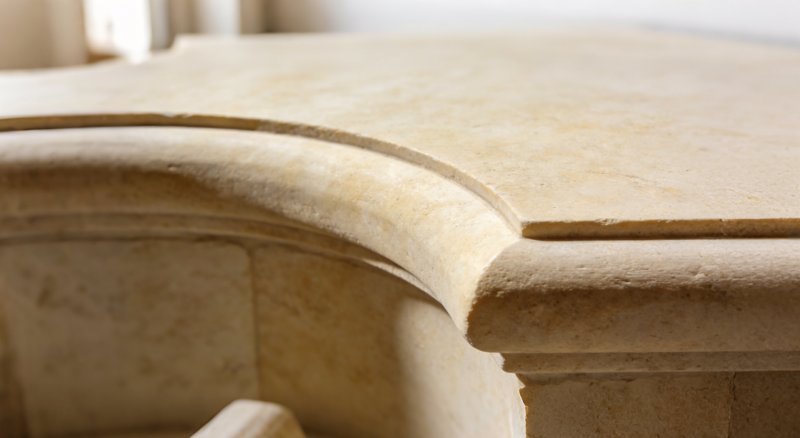
Rounded Edges (Bullnose Edges)
Rounded (bullnose) edges are safe, timeless, and ideal for family kitchens, as they eliminate sharp corners. The biggest challenge is creating a uniform arc without flat spots or rough patches.
- Recommended
tools: arc-shaped
diamond profiling wheels
(available in 1/4”, 1/2”, and custom radii) with resin
or hybrid bonds. For soft stones like marble, use resin-bond
profiling wheels (80-120 grit) to avoid chipping; for engineered
quartz and granite, opt for hybrid-bond profiling wheels (60-80
grit) for faster shaping and longer tool life.
- Pro tip: Use a profiling machine with adjustable speed (1800-2200 RPM) to maintain a steady arc. Slow down the speed when working on brittle stones to prevent cracking.
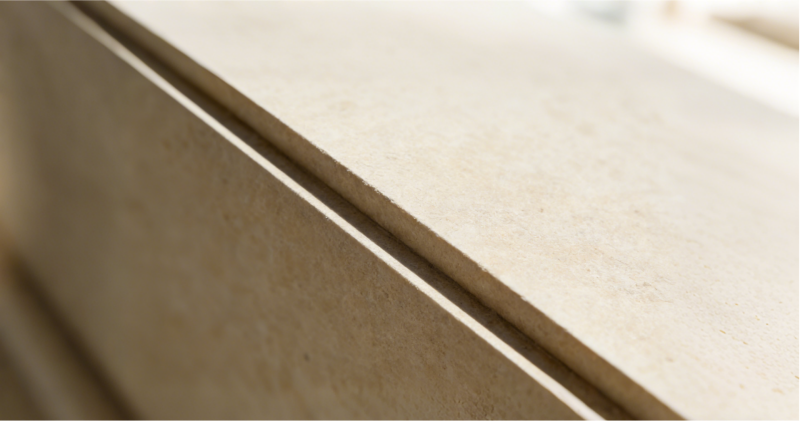
Beveled Edges (Custom Angles)
Beveled edges (non-45° angles) are often used for custom countertop designs, requiring precise angle control and smooth finishes. They are common in high-end cabinet and stone customization projects.
- Recommended
tools: adjustable
diamond profiling wheels
that can be set to custom angles (30°, 60°, or
customer-specified degrees). For fine shaping, use high-precision
resin-bond diamond profiling wheels
(120 grit); for final smoothing, switch to 240-400 grit profiling
wheels.
- Pro tip: Mark the angle on the stone edge before profiling to ensure accuracy. Use a guide rail to keep the tool aligned, avoiding uneven bevels.
2.Diamond
Finishing Blades: Refining for a Seamless Shine
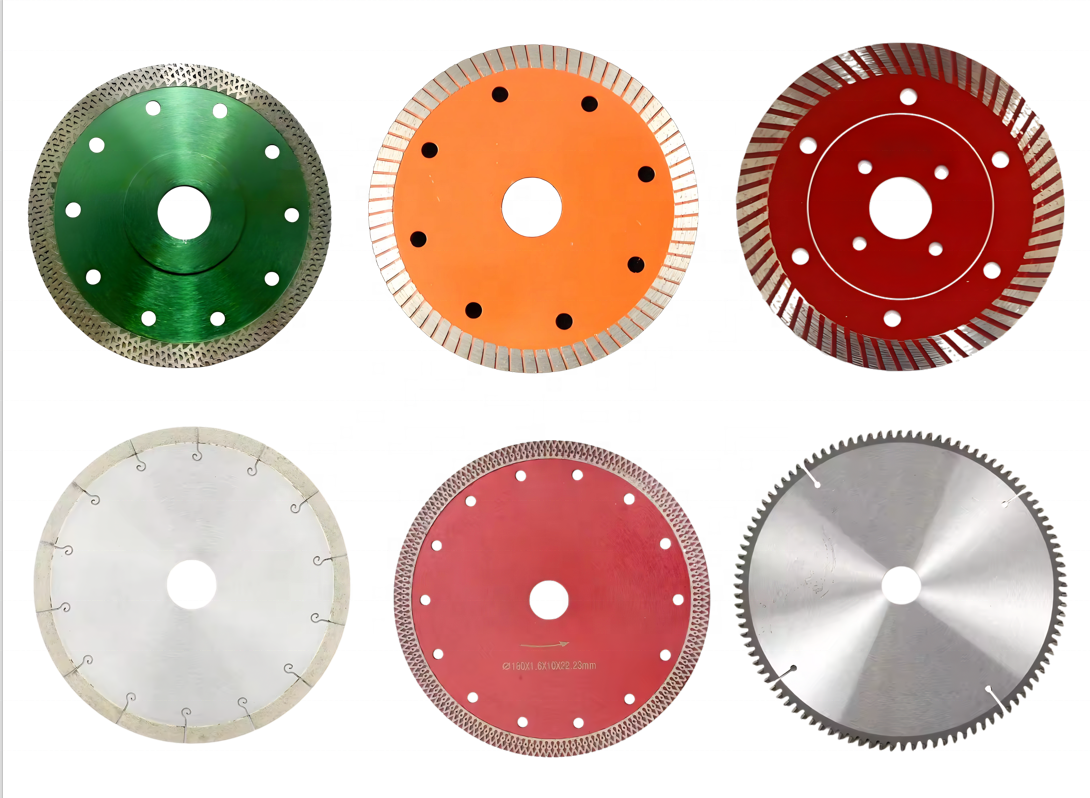
After shaping the edge with profiling wheels, diamond finishing blades are used to refine the surface, remove scratches, and prepare the edge for polishing. These blades are designed to be sharp yet gentle, preventing chipping while delivering a smooth base for the final polish.
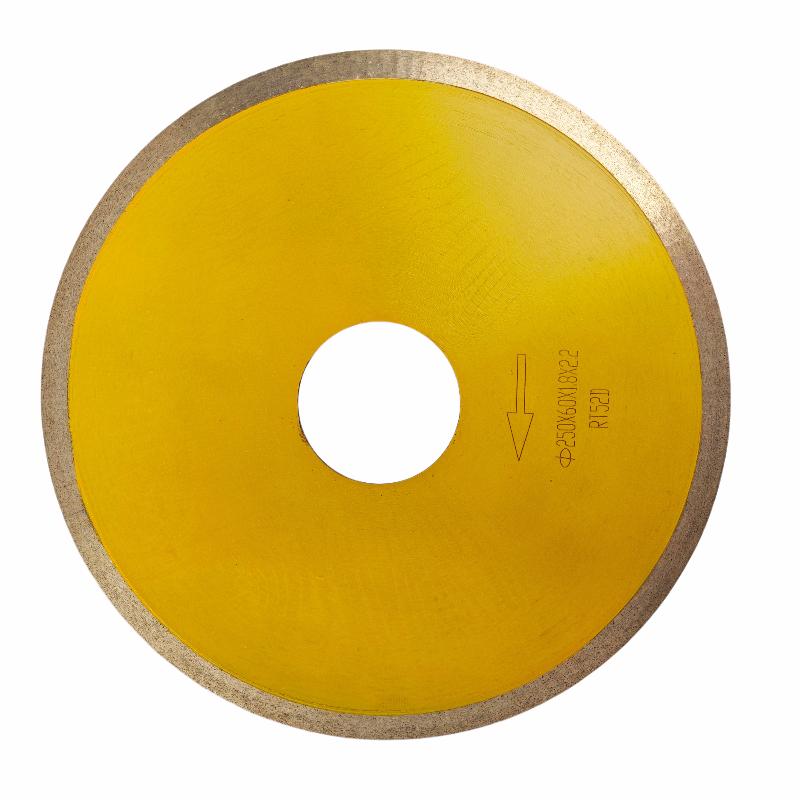
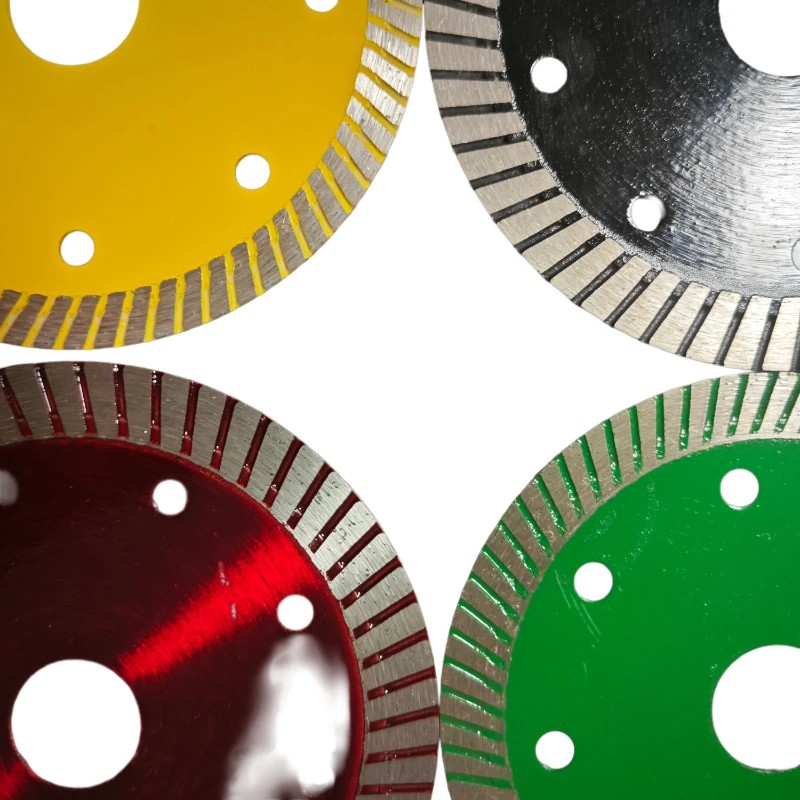
Recommended diamond finishing blades: continuous-rim diamond finishing blades (resin or hybrid bond) with fine grit (400-800 grit). Continuous-rim blades are ideal for finishing, as they create a smooth, chip-free surface without leaving tool marks.
Stone-specific matching:
- Granite:
Hybrid-bond continuous-rim finishing blades (400 grit) –
durable enough to handle granite’s hardness while refining the
edge.
- Marble: Resin-bond continuous-rim finishing blades (600 grit) – gentle on soft marble, avoiding scratches and chipping.
- Engineered quartz: Hybrid-bond continuous-rim finishing blades (500 grit) – balances sharpness and smoothness, preventing resin melting on quartz surfaces.
Pro Operation Tips for Perfect Edge Finishes
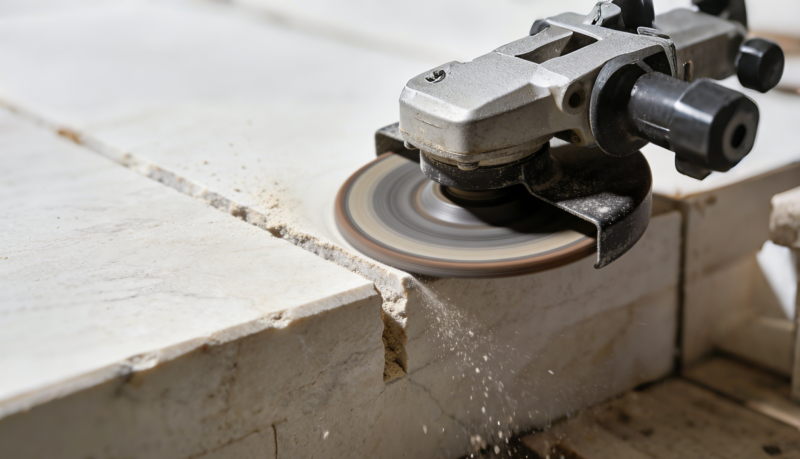
Even with the right diamond tools, proper operation is key to avoiding mistakes and achieving consistent results. These tips are tailored to cabinet and stone customization factories, helping you streamline production and reduce waste:
- Match
tool grit to the process: Start with coarse-grit profiling wheels
(60-80 grit) for shaping, move to medium grit (120-240 grit) for
smoothing, then use fine-grit finishing blades (400-800 grit) before
polishing. Skipping grit stages leads to rough edges and more work
later.
- Control speed and pressure: Use a low to medium speed (1500-2200 RPM) for edge profiling and finishing. Excessive speed causes tool overheating and stone damage; too much pressure leads to chipping and uneven edges. Apply light, consistent pressure to let the diamond particles do the work.
- Use wet processing: Wet processing (constant water flow) cools the diamond tools, reduces dust, and prevents stone overheating. It also lubricates the tool-stone interface, reducing friction and chipping—critical for delicate edge work. Ensure a steady water flow to the tool’s working area at all times.
- Inspect tools regularly: Check diamond profiling wheels and finishing blades for wear, glazing, or missing diamond particles. Dull tools cause chipping and rough surfaces, so replace or re-sharpen them promptly. For resin-bond tools, replace when the bond wears down to the diamond layer.
- Test on scrap stone first: Before working on a customer’s countertop, test the tool and operation parameters on a scrap piece of the same stone. This helps you adjust speed, pressure, and grit size to avoid mistakes on the final product
Tool Maintenance to Extend Lifespan & Reduce Costs
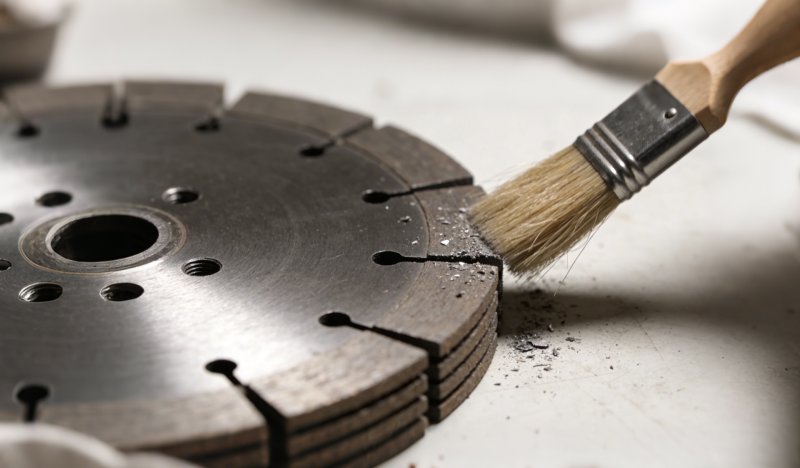
Proper maintenance of diamond profiling wheels and finishing blades not only extends their service life but also ensures consistent performance—reducing tool replacement costs for cabinet and stone customization factories. Follow these simple maintenance steps:
- Clean
tools after use: Rinse profiling wheels and finishing blades with
clean water to remove stone dust and debris, which can clog the
tool’s surface and reduce efficiency.
- Store in a dry, cool place: Avoid storing diamond tools in damp environments, as this can cause rust on metal cores or damage resin bonds. Store them vertically to prevent warping.
- Re-sharpen when needed: If profiling wheels or finishing blades become dull (signaled by slow cutting or rough edges), re-sharpen them with a diamond dressing tool. This restores the tool’s sharpness and extends its lifespan.
- Avoid mixing tool types: Do not use profiling wheels for standard cutting, or finishing blades for shaping—this causes premature wear and poor results.
Final Thoughts
Stone countertop edge profiling and finishing don’t have to be a frustrating, time-consuming process.
By selecting the right diamond profiling wheels and diamond finishing blades for each edge shape and stone type, mastering professional operation techniques, and maintaining your tools properly, cabinet and stone customization factories can achieve smooth, precise, chip-free edge finishes every time.
These diamond tool solutions not only resolve common profiling pain points but also boost production efficiency, reduce waste, and elevate the quality of your countertop products—helping you stand out in a competitive market.
Core Keywords
Diamond profiling wheels, diamond finishing blades, stone countertop edge profiling, stone countertop finishing, edge profiling tools, granite countertop edge, marble countertop edge, engineered quartz countertop edge, chip-free edge finish, smooth edge profiling, cabinet factory stone tools, stone customization diamond tools, resin-bond diamond profiling wheels, hybrid-bond diamond profiling wheels, continuous-rim diamond finishing blades
If you have any problem with stone processing,please contact and let us help you!








Contact Us
Send your message to us


点击右上角
分享给朋友吧
WhatApp/WeChat:
+8618576510428
+8613450822915
Email: info@fswesternland.cn
Email: mia@fswesternland.cn
Email: kikko@fswesternland.cn
Address: Room 1505, Baoneng Financial Building, No. 8 Junlan Road, Dongping Community, Lecong Town, Shunde District, Foshan City
WhatApp/WeChat:+8618576510428
Email: info@fswesternland.cn
Address: Room 1505, Baoneng Financial Building, No. 8 Junlan Road, Dongping Community, Lecong Town, Shunde District, Foshan City
Copyright © 2024 Foshan Western Land New Material Co, Ltd. All Rights Reserved.
