 中文
中文
Service Center
WhatsApp/Wechat
+86 18576510428
Working Time
Monday to Friday
E-mail
info@fswesternland.cn
E-mail
mia@fswesternland.cn
E-mail
kikko@fswesternland.cn

Abby

Mia

Kikko

CATEGORIES
NEWs
-
 top Reco Diamond Saw Blade Basics: A Comprehensive Guide for Beginners
Diamond saw blades are essential for tile, stone and ceramic processing. For beg
-
top Stone Polishing: A Concise Guide to Principles and Tool Selection
This article is a beginner-friendly guide to stone polishing, covering its core principles (combining physical friction and chemical reactions) and the four progressive stages (rough to final polishing). It also provides practical tips on selecting suitable polishing tools—such as diamond grinding wheels and resin pads—based on stone type, process stage, and application scenario, helping readers achieve professional, glossy finishes.
-
top Complete Total Stone Processing Workflow: From Cutting to Polishing
he complete stone processing workflow covers pre-processing preparation, core stages of cutting with diamond saw blades, grinding with diamond grinding wheels and polishing with abrasive pads, plus post-processing sealing and quality inspection. It specifies tool selection for different stones and operational tips, highlighting that proper tool matching ensures high-quality stone products and production efficiency.
-
top Diamond Tool Selection Guide: Match Blades & Grinding Wheels to Stone Types
Selecting diamond tools properly relies on two core elements: diamond concentration and bond type, which directly determine tool sharpness, durability and stone adaptability. Match metal, resin, hybrid bond diamond saw blades and grinding wheels to granite, marble, ceramic tiles, engineered quartz based on their characteristics to boost precision, efficiency, reduce wear and waste, and ensure stone product quality.
-
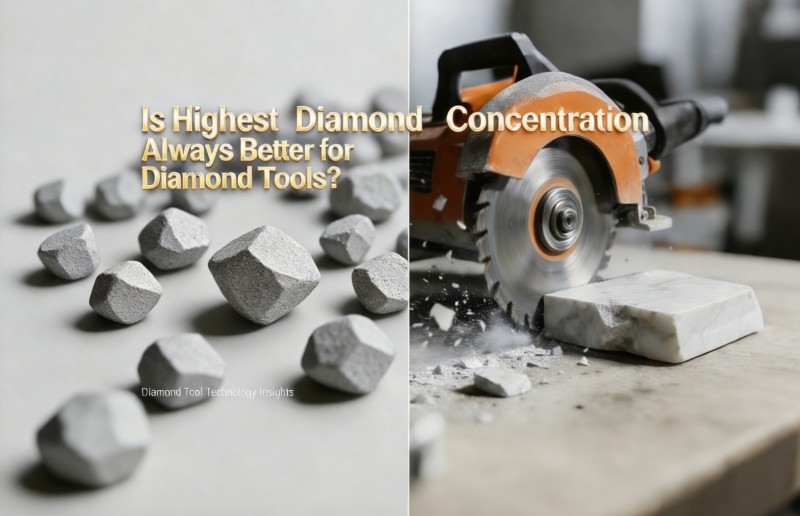
top Is Higher Diamond Concentration Always Better for Diamond Tools?
Higher diamond concentration isn’t always better for stone fabrication. Unlock the right concentration selection for diamond tools to optimize performance, reduce downtime, and maximize tool lifespan without unnecessary expenses.
-
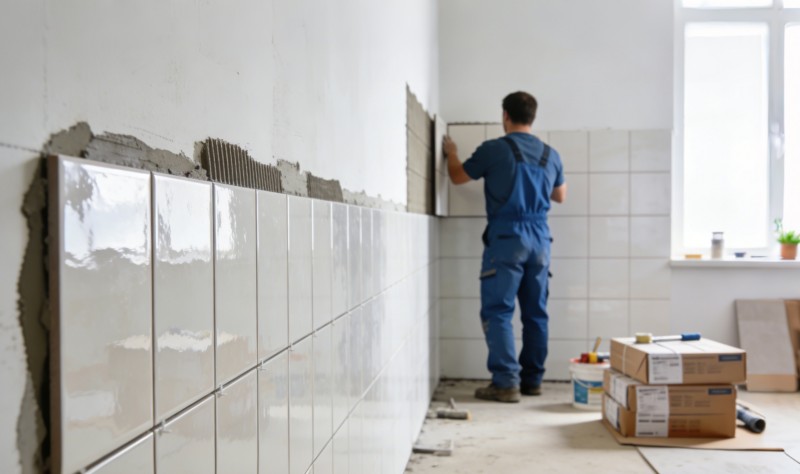
top What should be paid attention to during tile installation?
Learn the complete wall tile installation process, master key precautions against hollowing, sagging and water seepage, and achieve durable, professional tiling results for residential and commercial projects.
CATEGORIES
NEWs
-
top Stone Polishing: A Concise Guide to Principles and Tool Selection
This article is a beginner-friendly guide to stone polishing, covering its core principles (combining physical friction and chemical reactions) and the four progressive stages (rough to final polishing). It also provides practical tips on selecting suitable polishing tools—such as diamond grinding wheels and resin pads—based on stone type, process stage, and application scenario, helping readers achieve professional, glossy finishes.
-
What are the differences and distinctions in physical properties between brown corundum, white corundum, black silicon carbide, and green silicon carbide
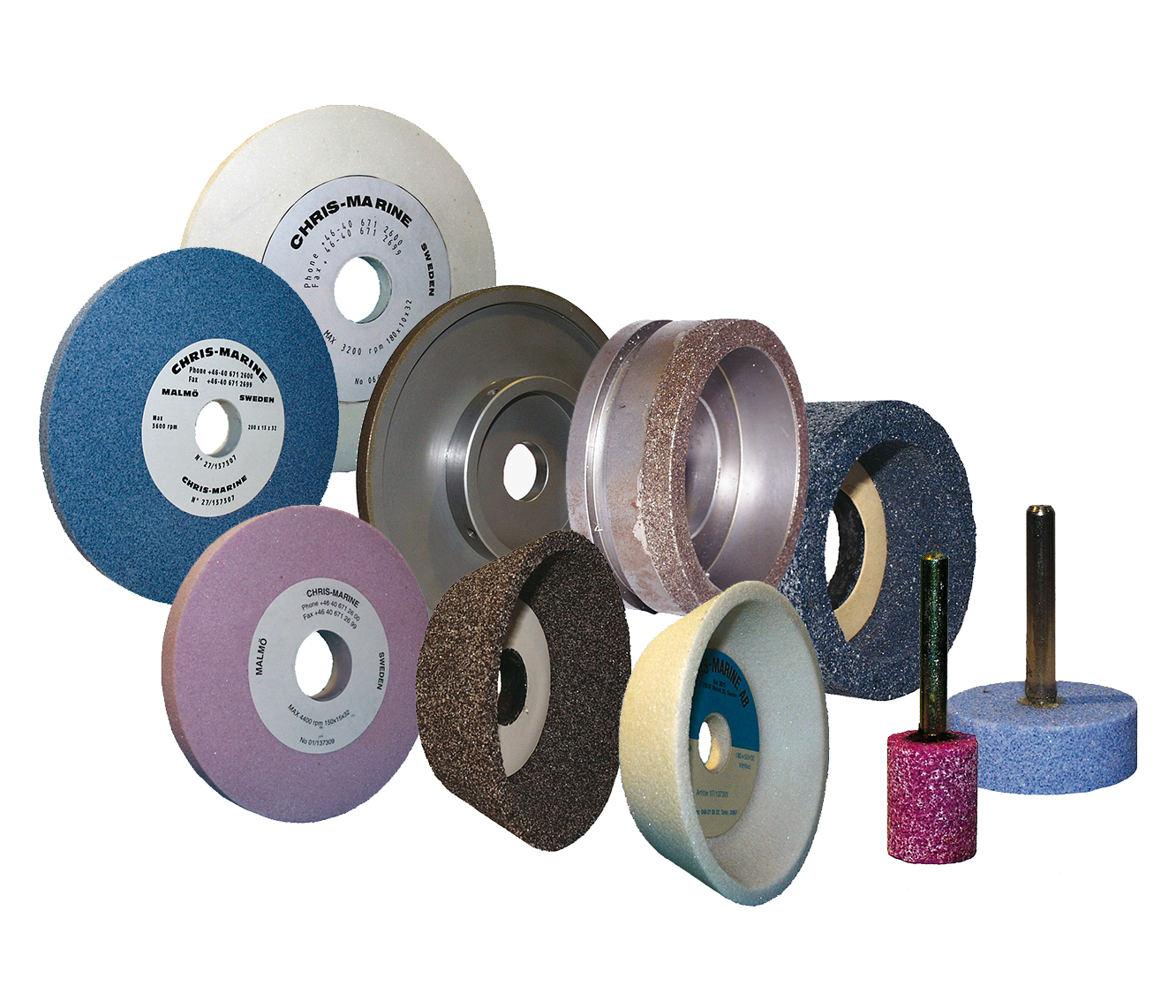
Brown corundum has higher toughness than white corundum, but its self sharpness is not as good as white corundum. Its basic performance and high toughness make it suitable for use in polishing pads, rough grinding wheels, polishing coated grinding tools, etc. Brown corundum has broad prospects when combined with zirconia corundum to produce high-end grinding tools. By calcination at a certain temperature, the hydrophilicity and strength of brown corundum can be enhanced, the coefficient of therm
-
Metal grinding and polishing process
Before polishing, check if the polishing allowance is sufficient, and the polishing amount should not exceed the reserved amount:
-
What factors affect the hardness of grinding tools
Grinding tools are products that are needed in many industries, and their hardness will affect the specific usage and application areas of the tools. So, what are the main factors that affect the hardness of grinding tools? Now let's take everyone to learn about it together.
-
Application scope of water grinding disc
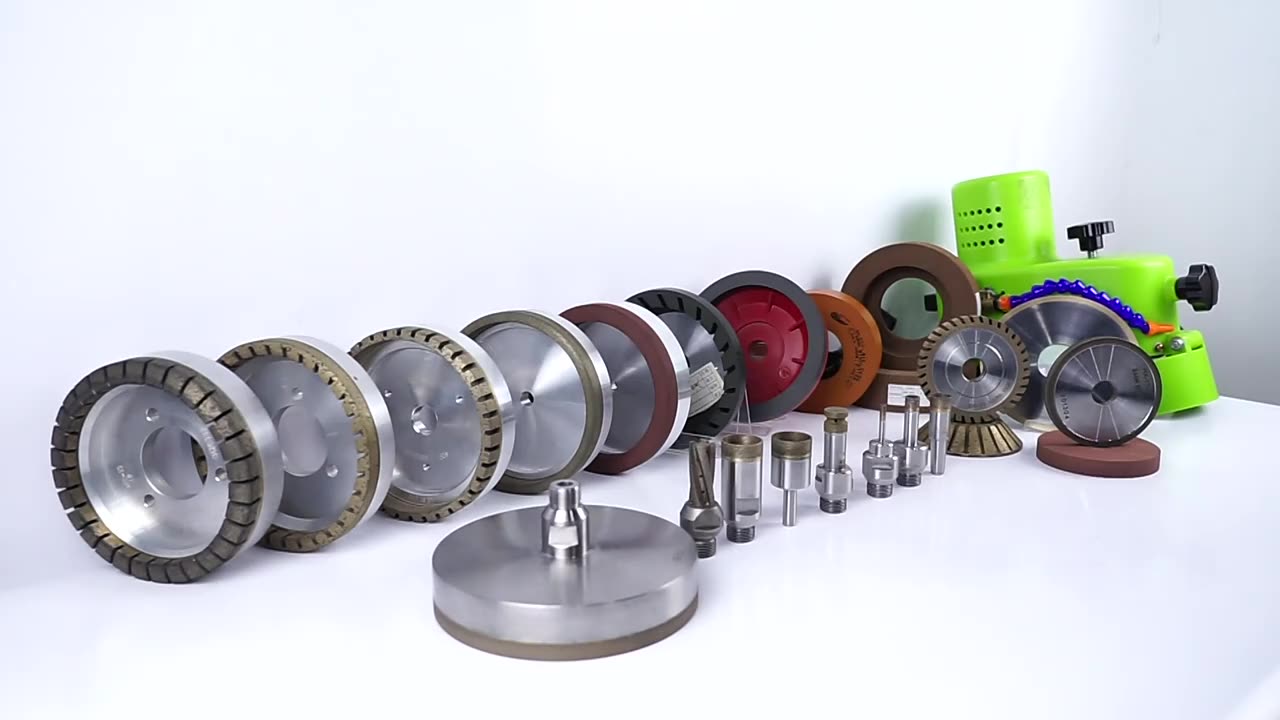
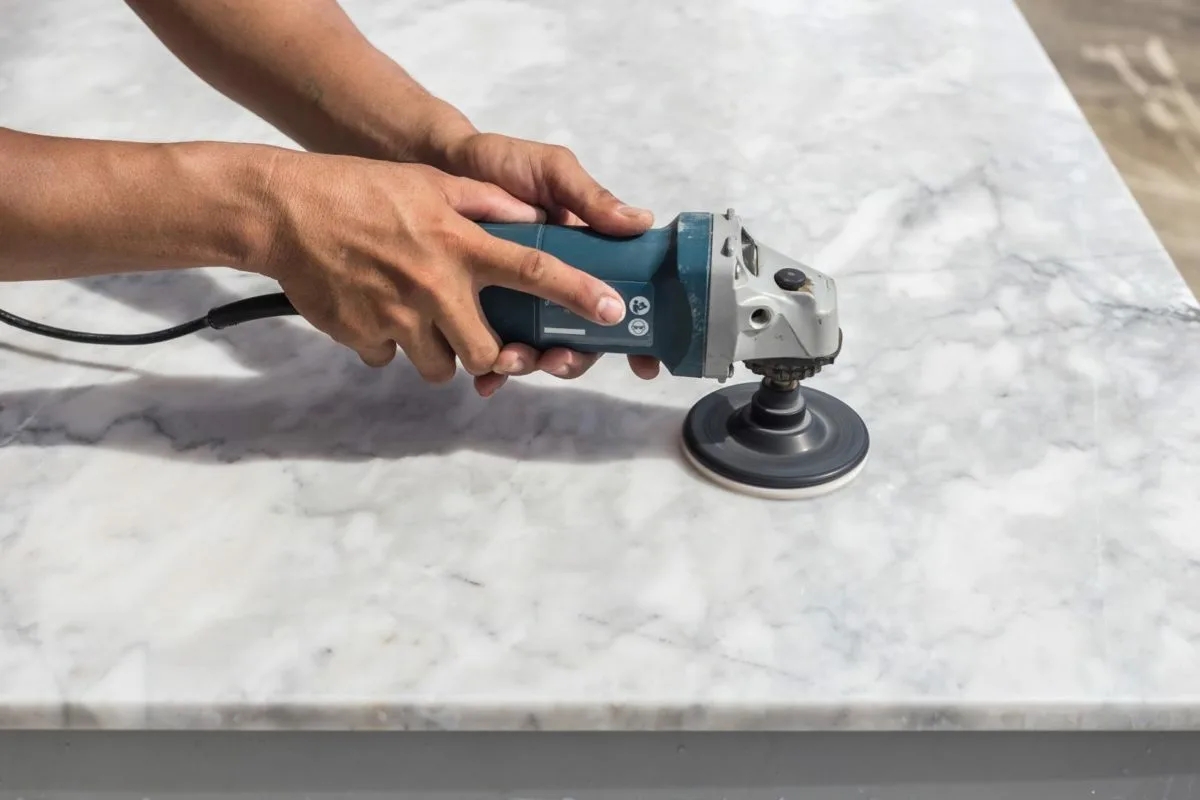
Used for processing artificial stone, granite, marble and other stone materials, it has a complete and standardized grain size color system and good flexibility. It is adept at processing lines, chamfers, curved plates and irregular stone materials. There are multiple shapes and specifications to choose from, and various grain sizes are easy to distinguish. It can be flexibly matched with various hand grinders according to needs and habits.
-
How to distinguish between dry grinding discs and water grinding discs?
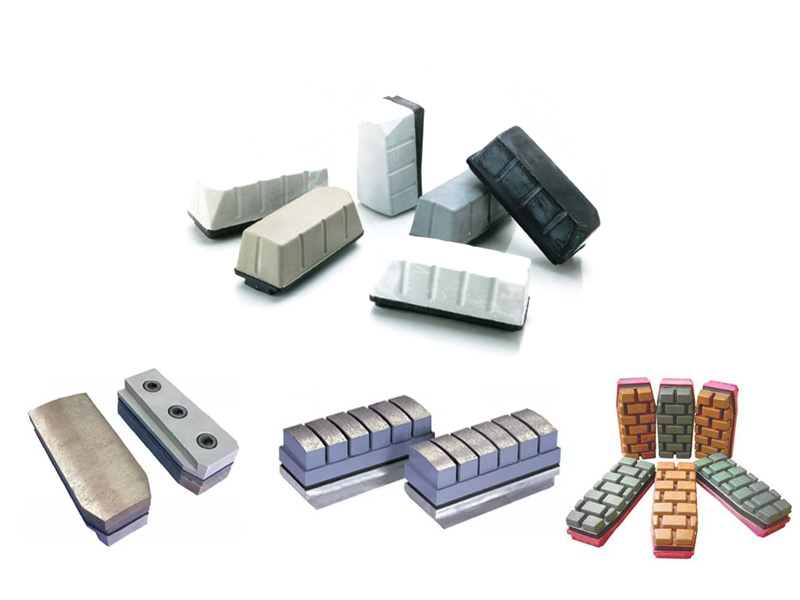
1. The damage to stone is different: because the water polishing plate grinds deeper, it is less likely to have scratches, and there will be no dust. Dry grinding is relatively shallow compared to polishing, with a larger amount of dust and a higher risk of scratches.
Contact Us
Send your message to us


点击右上角
分享给朋友吧
WhatApp/WeChat:
+8618576510428
+8613450822915
Email: info@fswesternland.cn
Email: mia@fswesternland.cn
Email: kikko@fswesternland.cn
Address: Room 1505, Baoneng Financial Building, No. 8 Junlan Road, Dongping Community, Lecong Town, Shunde District, Foshan City
WhatApp/WeChat:+8618576510428
Email: info@fswesternland.cn
Address: Room 1505, Baoneng Financial Building, No. 8 Junlan Road, Dongping Community, Lecong Town, Shunde District, Foshan City
Copyright © 2024 Foshan Western Land New Material Co, Ltd. All Rights Reserved.
